
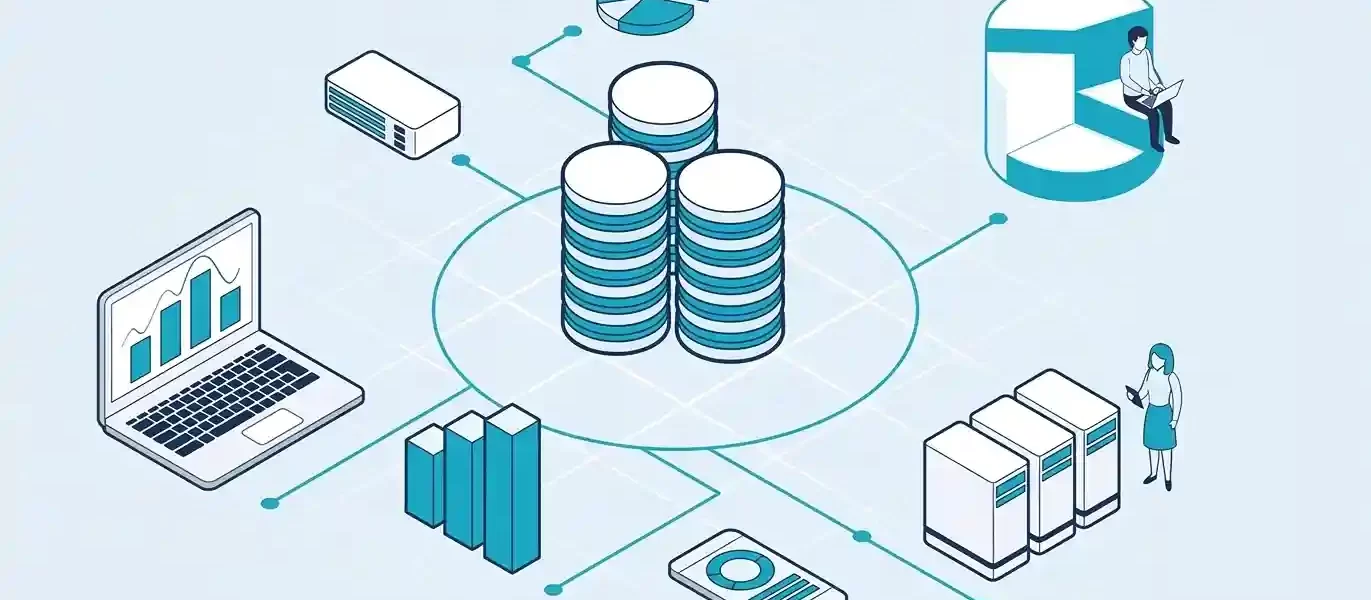

Effective spend management is essential for organizations aiming to control costs, improve efficiency, and make data-driven decisions. By following a structured spend management process, businesses can gain full visibility into their expenditures, uncover savings opportunities, and strengthen financial performance.
In this guide, we’ll walk you through the key steps of the spend management process, along with its benefits, challenges, and the role of modern software solutions.
Table of Contents
- Introduction
- What Is Spend Management?
- Step-by-Step Spend Management Process
- 3.1 Identify Sources of Expenditure
- 3.2 Centralize Expenditure Data
- 3.3 Verify and Cleanse Data
- 3.4 Categorize Spend Data
- 3.5 Analyze Spending
- 3.6 Strategize and Execute
- 3.7 Forecast Future Spending
- Benefits of Spend Management
- Common Challenges in Spend Management
- The Role of Spend Management Software
- Final Thoughts
What Is Spend Management?
Spend management refers to the process of tracking, analyzing, and optimizing all business expenditures. It covers everything from procurement and vendor payments to employee salaries, utilities, and operational costs.
Because every organization operates differently, spend management must be tailored to fit specific business needs and structures.
Step-by-Step Spend Management Process
1. Identify Sources of Expenditure
The first step is to identify all areas where your business spends money. These may include:
- Employee salaries
- Rent and utilities
- Marketing and advertising
- Software licenses
- Insurance and training
Each business has unique spending patterns, making it important to build a comprehensive list. This can be challenging, but using automation tools or involving department heads can help ensure nothing is overlooked.
2. Centralize Expenditure Data
Once spending sources are identified, the next step is to centralize all financial data into a single repository.
Typically managed by the accounting department, this repository should:
- Store all expense records securely
- Allow controlled access to sensitive data
- Support regular audits
Centralizing data provides a unified view of your organization’s financial structure, making analysis more effective.
3. Verify and Cleanse Data
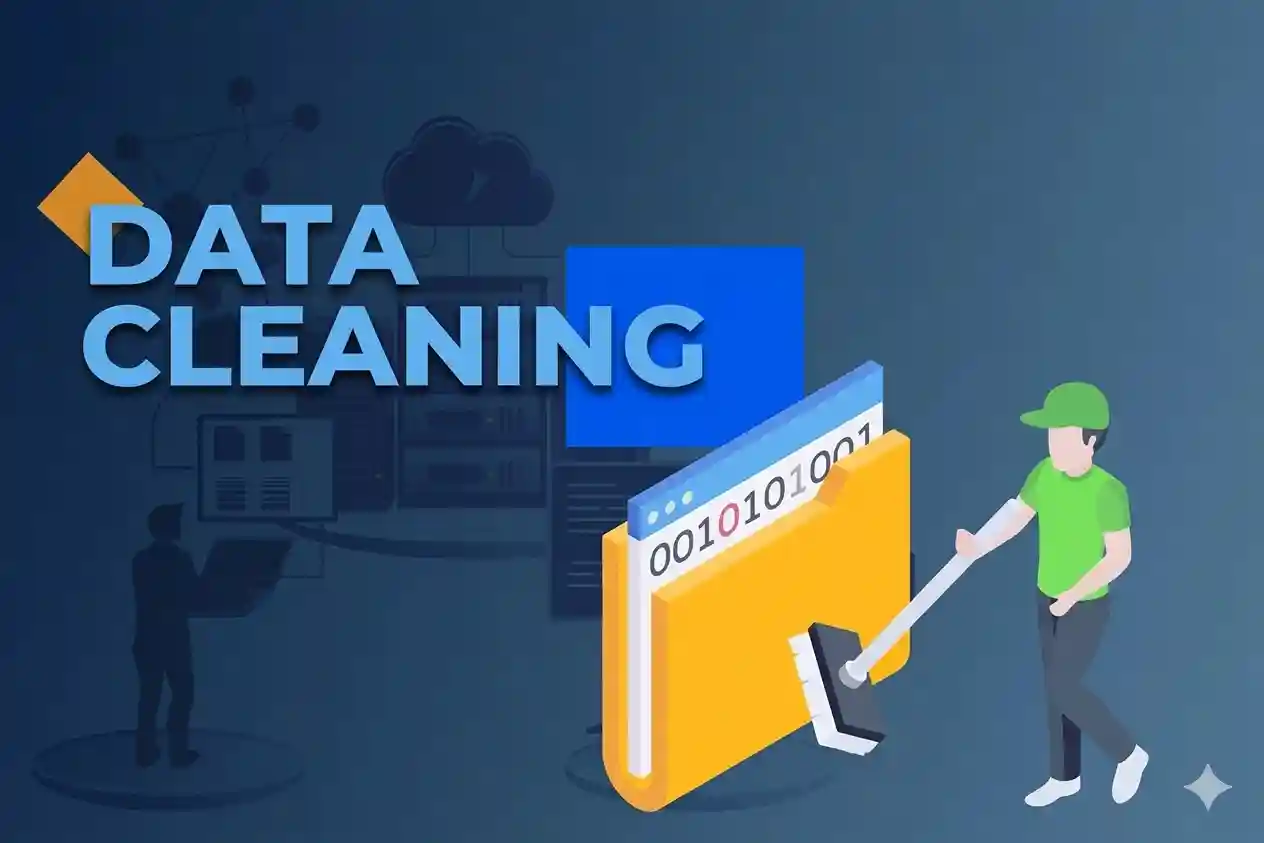
Accurate data is critical for reliable decision-making. This step involves:
- Verifying transactions against receipts and records
- Removing duplicate entries
- Correcting errors and inconsistencies
- Standardizing formats (currency, dates, etc.)
Clean and consistent data ensures that insights drawn from analysis are trustworthy.
4. Categorize Spend Data
Organizing spend data into categories helps businesses better understand where money is going.
Common ways to categorize include:
- By vendor
- By department
- By type of expense (e.g., IT services, marketing)
The key is to align categorization with your business goals—whether that’s tracking vendor performance or analyzing operational costs.
5. Analyze Spending
With clean and categorized data, businesses can now perform in-depth analysis.
This step helps to:
- Identify recurring expenses
- Detect anomalies or inefficiencies
- Calculate averages, totals, and percentages
- Benchmark costs
Advanced technologies like AI and machine learning can enhance this process by uncovering patterns and generating actionable insights.
6. Strategize and Execute
Based on insights from analysis, organizations can implement strategies to optimize spending.
This may include:
- Reducing unnecessary costs
- Consolidating vendors
- Automating workflows
- Improving procurement policies
Execution can be rolled out gradually—starting with specific departments before scaling organization-wide. Successful implementation requires strong stakeholder alignment and change management.
7. Forecast Future Spending
The final step is forecasting future expenses using historical data and trends.
Accurate forecasting enables businesses to:
- Anticipate financial needs
- Prepare for market fluctuations
- Allocate resources effectively
Modern e-procurement systems powered by AI make forecasting more precise and easier to manage.
Benefits of Spend Management
An effective spend management process delivers several key advantages:
- Improved visibility: Gain a complete view of organizational spending
- Cost savings: Identify opportunities to reduce expenses
- Operational efficiency: Automate manual processes and eliminate redundancies
- Policy compliance: Ensure adherence to internal standards
- Stronger supplier relationships: Improve collaboration and performance tracking
- Risk mitigation: Monitor supplier stability and market changes
Common Challenges in Spend Management
Despite its benefits, organizations often face obstacles such as:
- Lack of standardized data across departments
- Difficulty integrating multiple systems
- Heavy reliance on manual processes
- Limited analytics capabilities
- Insufficient automation
Addressing these challenges is key to unlocking the full potential of spend management.
The Role of Spend Management Software
To overcome these barriers, businesses increasingly rely on integrated spend management software.
Key features to look for include:
- Automated data capture and classification
- Advanced analytics for actionable insights
- End-to-end workflow automation
- Real-time dashboards and reporting
- Guided purchasing systems for compliance
These tools enable organizations to transition from reactive spending control to proactive financial strategy.