


Hydration: Why Water Matters More Than You Think
Introduction: More Than Just a Sip
“Drink more water.” You’ve heard it countless times—from wellness blogs to doctor visits. Yet, despite being one of the simplest health habits, hydration is often misunderstood.
Many people rely on thirst as a signal to drink. The truth? By the time you feel thirsty, your body may already be mildly dehydrated.
Water does far more than quench thirst. It plays a critical role in nearly every bodily function—from boosting brain performance to supporting digestion and even improving skin health. Think of it as your body’s silent engine, constantly working behind the scenes.
In this guide, you’ll discover why hydration matters more than you think, how to recognize dehydration, how much water you actually need, and practical ways to stay hydrated every day.
Why Is Hydration So Important?

Water is essential for maintaining balance and efficiency in your body. Without it, vital systems begin to slow down.
Key Functions of Water:
- Regulates body temperature: Helps cool your body through sweating
- Transports nutrients: Delivers vitamins, minerals, and glucose to cells
- Supports detoxification: Aids kidneys in flushing out waste
- Lubricates joints and tissues: Keeps movement smooth and pain-free
- Enhances brain function: Supports focus, alertness, and memory
Even mild dehydration—just 1–2% loss of body water—can negatively impact concentration and cognitive performance.
What Happens When You’re Dehydrated?
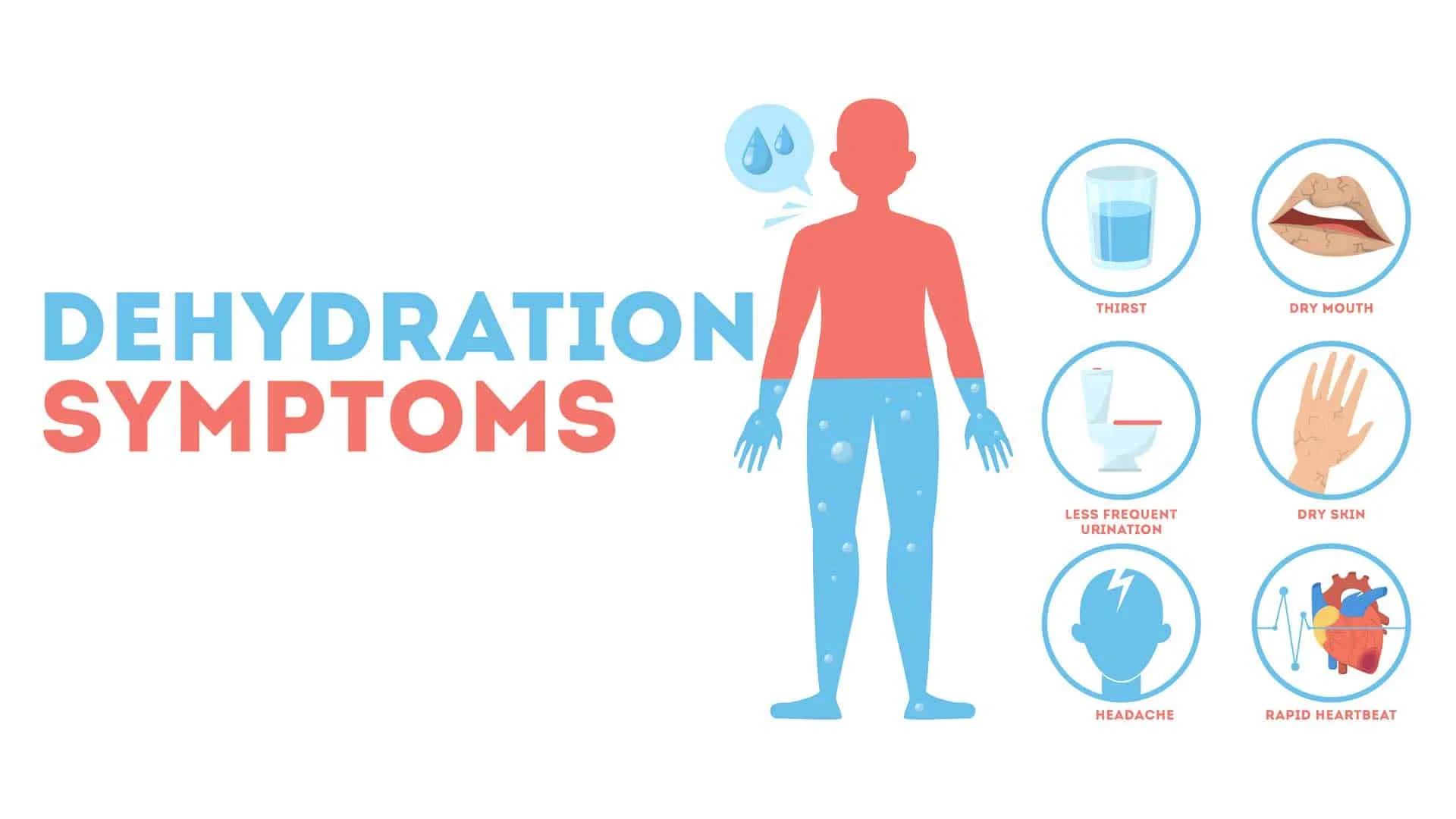
Dehydration doesn’t always show obvious symptoms right away. It often begins subtly and worsens over time.
Stages of Dehydration:
1. Mild Dehydration (1–2% fluid loss)
- Fatigue
- Headaches
- Reduced focus
2. Moderate Dehydration (3–5% fluid loss)
- Dizziness
- Dry mouth
- Increased heart rate
- Reduced physical performance
3. Severe Dehydration
- Low blood pressure
- Heat-related illness
- Potential kidney complications
Even a small drop in hydration can significantly reduce physical endurance—especially during exercise.
How Much Water Should You Drink Daily?
The common “8 glasses a day” rule is a helpful guideline—but it’s not one-size-fits-all.
General Recommendations:
- Men: حوالي 3.7 liters (125 oz) per day
- Women: حوالي 2.7 liters (91 oz) per day
(Includes fluids from both drinks and food.)
How to Personalize Your Intake:
- Base calculation: 30–35 ml per kg of body weight
- Add for activity: Extra 0.5–1 liter per hour of exercise
- Adjust for climate: Hot or humid weather increases needs
- Check urine color: Pale yellow usually indicates proper hydration
Hidden Signs You’re Not Drinking Enough
Dehydration isn’t always obvious. Some symptoms are easy to overlook:
- Brain fog and irritability
- Sugar cravings (often mistaken for hunger)
- Dry or dull skin
- Constipation
- Frequent headaches
If you feel sluggish in the afternoon, try drinking water before reaching for snacks—you might just be thirsty.
Can You Drink Too Much Water?
Yes—overhydration is possible, though less common.
Drinking excessive amounts of water in a short time can dilute sodium levels in your blood, leading to a condition called water intoxication.
Symptoms may include:
- Nausea
- Confusion
- Headaches
- In severe cases, seizures
Tip: Aim for steady hydration throughout the day rather than consuming large amounts all at once.
Practical Tips to Stay Hydrated
Building hydration into your routine doesn’t have to be complicated.
Easy Hydration Habits:
- Start your morning with water
- Carry a reusable bottle for convenience
- Add natural flavors like lemon, cucumber, or berries
- Eat water-rich foods such as watermelon, cucumber, and soups
- Set reminders or pair drinking water with daily habits
Hydration Hierarchy:
- Water (best choice)
- Tea and coffee (moderate contribution)
- Sugary drinks and alcohol (limit intake)
Does Coffee or Tea Dehydrate You?
Not necessarily.
While caffeine has mild diuretic effects, the fluid in coffee and tea generally offsets this. That means your morning coffee does contribute to your daily hydration.
However, relying solely on caffeinated drinks isn’t ideal. Balance is key.
Hydration and Exercise Performance
Water plays a major role in physical performance and recovery.
Before Exercise:
- Prepares your body for temperature regulation
During Exercise:
- Prevents fatigue and maintains endurance
After Exercise:
- Supports recovery and reduces muscle soreness
Pro Tip:
Weigh yourself before and after workouts. For every pound (0.45 kg) lost, drink about 16–24 oz (500–700 ml) of water.
Can Drinking Water Improve Skin Health?
Hydration supports skin health—but it’s not a miracle cure.
Benefits of Proper Hydration:
- Improves skin elasticity
- Enhances nutrient delivery to skin cells
- Reduces dryness and appearance of fine lines
While water alone won’t replace skincare products or sun protection, it remains one of the easiest and most affordable ways to support healthy skin.
Common Hydration Myths—Debunked
- “If you’re thirsty, you’re fine.”
→ Thirst is a late warning sign - “Cold water burns significant calories.”
→ The effect is minimal - “You need sports drinks daily.”
→ Not necessary unless doing intense, prolonged exercise - “Clear urine means perfect hydration.”
→ It may indicate overhydration—aim for pale yellow
Key Takeaways
- Hydration is essential for nearly every function in your body
- Even mild dehydration can affect energy, focus, and performance
- Water needs vary based on lifestyle, activity, and environment
- Hidden signs like fatigue or cravings may signal dehydration
- Consistent, balanced water intake is more effective than extremes
Final Thoughts
Hydration isn’t just a health tip—it’s a foundational habit that impacts your entire well-being. From your brain to your muscles to your skin, water keeps everything running smoothly.
If you’ve been feeling low on energy, struggling with focus, or not performing your best, the solution might be simpler than you think.