

Preventive Healthcare: Why It Matters More Than Ever
In today’s fast-changing world, healthcare is undergoing a major transformation. For decades, most systems have been reactive—people visit doctors only when symptoms appear. However, with the rise of chronic illnesses, increasing medical costs, and lessons learned from global health crises, this approach is no longer sustainable.
Preventive healthcare is emerging as a smarter, more effective solution. Instead of treating diseases after they occur, it focuses on stopping them before they start. More than just a medical strategy, it represents a long-term commitment to healthier living and improved quality of life.
What is Preventive Healthcare?
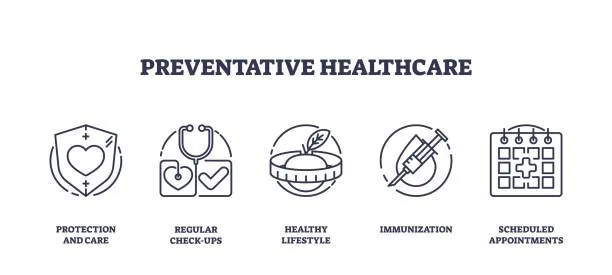
Preventive healthcare refers to proactive measures taken to reduce the risk of diseases or detect them early. This approach helps individuals stay ahead of potential health issues and avoid serious complications.
Key components of preventive healthcare include:
- Routine health check-ups and screenings
- Vaccinations and immunizations
- Healthy lifestyle habits such as balanced nutrition and regular exercise
- Mental health care and stress management
- Early diagnosis and timely medical intervention
At its core, preventive healthcare is about taking action before problems arise—rather than reacting after damage has already been done.
Why Preventive Healthcare is More Important Than Ever
1. The Rise of Lifestyle Diseases
Non-communicable diseases (NCDs) like diabetes, heart disease, and cancer are now leading causes of death worldwide. These conditions often develop silently over time, showing little to no symptoms in the early stages.
Preventive healthcare helps identify risk factors early, allowing individuals to make changes that can delay—or even prevent—the onset of these diseases.
2. Early Detection Saves Lives
Many serious illnesses can be managed more effectively when detected early. Conditions such as hypertension, diabetes, and certain cancers often go unnoticed until they become severe.
Regular screenings and check-ups increase the chances of early diagnosis, leading to better treatment outcomes and lower health risks. Simply put:
Early detection = Better outcomes + Lower risk
3. Rising Healthcare Costs
Healthcare expenses are increasing globally, especially for chronic disease management. Long-term treatments, hospital stays, and medications can create significant financial strain.
Preventive healthcare helps reduce these costs by:
- Avoiding expensive hospitalizations
- Minimizing the need for long-term medication
- Reducing emergency medical interventions
Investing in prevention today can save substantial costs in the future.
4. Post-Pandemic Health Awareness
The COVID-19 pandemic has reshaped how people view health and wellness. There is now greater awareness of:
- The importance of strong immunity
- Hygiene and disease prevention
- Regular health monitoring
- The role of vaccinations
As a result, preventive healthcare is no longer seen as optional—it has become essential for maintaining overall well-being.
5. Mental Health Takes Center Stage
Modern lifestyles have led to increased stress, burnout, and anxiety. Preventive healthcare now includes mental well-being as a critical component.
Early interventions such as counseling, mindfulness practices, and stress management can prevent long-term psychological issues and improve overall life satisfaction.
6. Technology is Transforming Prevention
Advancements in technology are making preventive healthcare more accessible and personalized than ever before.
- Wearable devices track heart rate, sleep, and daily activity
- Artificial intelligence analyzes health data to predict risks
- Telemedicine enables quick and early consultations
- Predictive analytics identifies potential health issues before symptoms appear
These innovations are shifting healthcare from generalized treatment to personalized prevention.
The Growing Importance of Preventive Healthcare in Emerging Markets
Countries experiencing rapid urbanization and lifestyle changes are seeing a sharp rise in chronic diseases. Sedentary habits, poor diets, and increased stress levels are contributing to this trend.
At the same time, healthcare costs are rising, and access to medical services remains uneven. This makes preventive healthcare not only beneficial—but essential.
Encouragingly, awareness is increasing, supported by digital health platforms, improved diagnostic services, and a growing focus on wellness.
Key Pillars of Preventive Healthcare
To build a strong foundation for long-term health, focus on these core pillars:
1. Regular Health Screenings
Routine tests such as blood sugar, cholesterol levels, and cancer screenings help detect risks early.
2. Healthy Lifestyle Choices
Balanced nutrition, regular exercise, and sufficient sleep are fundamental to disease prevention.
3. Vaccination and Immunization
Vaccines remain one of the most effective tools for preventing infectious diseases.
4. Mental Well-being
Managing stress and maintaining emotional health are essential for overall wellness.
5. Health Awareness and Education
Understanding health risks empowers individuals to make better lifestyle decisions.
Challenges in Adopting Preventive Healthcare
Despite its many benefits, preventive healthcare still faces several barriers:
- Limited awareness and health education
- Cultural habits of seeking care only when ill
- Accessibility issues in rural or underserved areas
- Misconception that preventive care is an unnecessary expense
In reality, the cost of ignoring prevention is far greater than investing in it.
The Future: Building a Preventive Health Culture
Creating a prevention-focused healthcare system requires collective effort:
- Individuals should prioritize healthy habits and regular check-ups
- Organizations can promote workplace wellness programs
- Governments need to invest in accessible preventive services
- Healthcare providers should emphasize early intervention
The ultimate goal is to shift from a “sick-care” model to a true “health-care” system.
Conclusion: Prevention is the New Cure
Preventive healthcare is no longer a luxury—it is a necessity in today’s high-risk, fast-paced world. By focusing on early action, informed decisions, and consistent healthy habits, individuals can take control of their well-being.
Not only does this approach improve quality of life, but it also reduces the burden on healthcare systems and lowers long-term costs.
The future of healthcare doesn’t lie solely in hospitals—it lies in everyday choices.