
Key Drivers of Economic Growth: Understanding the Core Factors
Economic growth is one of the most important indicators of a nation’s progress and long-term prosperity. It reflects how efficiently an economy produces goods and services while improving the quality of life for its citizens. In this SEO-optimized guide, we’ll break down the key drivers of economic growth, how it is measured, and why it matters in today’s rapidly changing global landscape.
What Is Economic Growth?
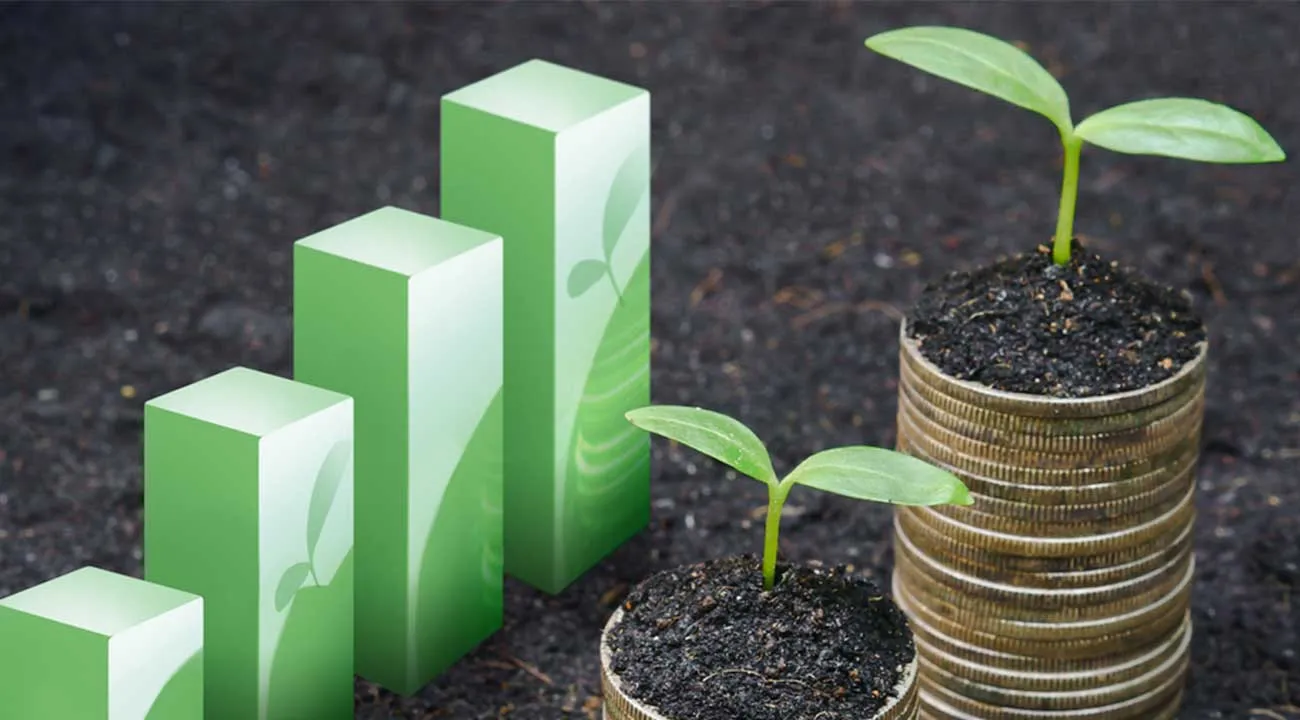
Economic growth refers to the increase in the total value of goods and services produced within an economy over time. It is typically measured by the growth of Gross Domestic Product (GDP), which represents the overall economic output of a country.
Sustained economic growth often leads to:
- Higher income levels
- More job opportunities
- Improved public services
- Better standards of living
Beyond numbers, economic growth also plays a vital role in shaping a country’s social stability and development.
Key Takeaways
- Economic growth reflects the overall health of an economy.
- GDP is the most widely used measurement tool.
- Growth is driven by capital, labor, technology, and human skills.
- Sustainable growth requires both quantitative and qualitative improvements.
Understanding Economic Growth
Economic growth is influenced by several interconnected factors. These include:
- Expansion of production capacity
- Investment in education and workforce skills
- Technological innovation
- Government policies and economic reforms
True economic progress is not just about increasing output—it also involves sustainability, efficiency, and innovation. Countries that focus on long-term development strategies tend to achieve more stable and inclusive growth.
Phases of Economic Growth
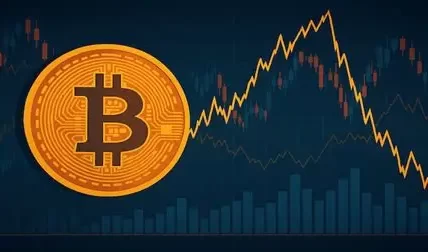
Economic growth follows a cyclical pattern known as the business cycle. It consists of four main phases:
- Expansion – Rising production, employment, and income
- Peak – The highest level of economic activity
- Contraction – Declining output and slowing demand
- Trough – The lowest point before recovery begins
Understanding these phases helps governments and businesses make informed decisions and prepare for economic fluctuations.
Note: Economic cycles vary depending on global events, policy decisions, and market conditions, so continuous monitoring is essential.
How to Measure Economic Growth
1. Gross Domestic Product (GDP)
GDP measures the total value of goods and services produced within a country. It can be calculated in:
- Nominal terms (current prices)
- Real terms (adjusted for inflation)
Real GDP provides a more accurate picture of true economic performance.
2. Other Key Indicators
- Gross National Product (GNP): Includes income from abroad
- Net National Product (NNP): Accounts for depreciation
- Human Development Index (HDI): Focuses on quality of life
- Genuine Progress Indicator (GPI): Measures sustainability and well-being
These metrics offer a broader understanding beyond traditional economic output.
How to Generate Economic Growth
1. Investment in Physical Capital
Infrastructure, machinery, and equipment enhance production efficiency. Governments can support this through:
- Infrastructure development
- Business-friendly policies
- Investment incentives
2. Technological Advancement
Innovation is a major engine of growth. Investing in research and development (R&D) leads to:
- Increased productivity
- New industries and job creation
- Competitive advantage in global markets
3. Expansion of the Labor Force
A growing workforce contributes directly to higher output. This can be achieved through:
- Population growth
- Increased workforce participation
- Inclusive employment policies
4. Development of Human Capital
Education and skills training improve workforce quality. Skilled workers:
- Drive innovation
- Increase efficiency
- Adapt to technological changes
Countries that invest heavily in education tend to experience stronger long-term growth.
Why Does Economic Growth Matter?
Economic growth is essential for improving living standards and national development. It enables governments to:
- Invest in healthcare and education
- Build modern infrastructure
- Reduce poverty and inequality
A growing economy also attracts foreign investment, encourages entrepreneurship, and strengthens resilience against global economic shocks.
How Do Taxes Affect Economic Growth?
Tax policies play a crucial role in shaping economic activity:
- High taxes may reduce investment and consumer spending
- Tax incentives can encourage business expansion and innovation
An effective tax system balances revenue generation with economic stimulation. Transparent and efficient tax policies can significantly enhance growth prospects.
Alternative Terms for Economic Growth
Economic growth is often referred to using similar terms, including:
- Economic development – Focuses on overall well-being and equality
- Economic expansion – Refers to growth within business cycles
- Output growth – Emphasizes production increases
Each term provides a slightly different perspective depending on context.
The Bottom Line
Economic growth is a cornerstone of national prosperity. It is driven by a combination of capital investment, technological progress, labor force expansion, and human capital development.
For sustainable and inclusive growth, governments, businesses, and individuals must work together to:
- Promote innovation
- Invest in education
- Implement effective policies
- Ensure fair distribution of economic benefits
By understanding these core drivers, you can better evaluate economic trends and make informed decisions—whether as a policymaker, investor, or informed citizen.