

Money influences nearly every part of your life—from your daily spending habits to your long-term dreams and peace of mind. Whether your goal is to stop living paycheck to paycheck or to build lasting wealth, everything starts with understanding how you manage your money.
This beginner-friendly guide to personal finance covers the essentials: budgeting, saving, debt management, credit cards, investing, and financial protection. No complicated jargon—just practical steps to help you take control of your finances starting today.

Key Takeaways
- Personal finance is about managing your money effectively through budgeting, saving, investing, and controlling debt.
- A solid budget helps you avoid overspending and stay on track toward your financial goals.
- Financial success is a continuous journey—review, adjust, and keep learning as your life evolves.
What Is Personal Finance and Why It Matters
Personal finance refers to how you earn, spend, save, and plan your money over time. But it’s not just about numbers—it’s about building the life you want.
From buying groceries to planning retirement, every financial decision shapes your future. Learning how to manage money wisely gives you more freedom, reduces stress, and creates a clearer path toward your goals.
Why Managing Your Money Makes Life Easier
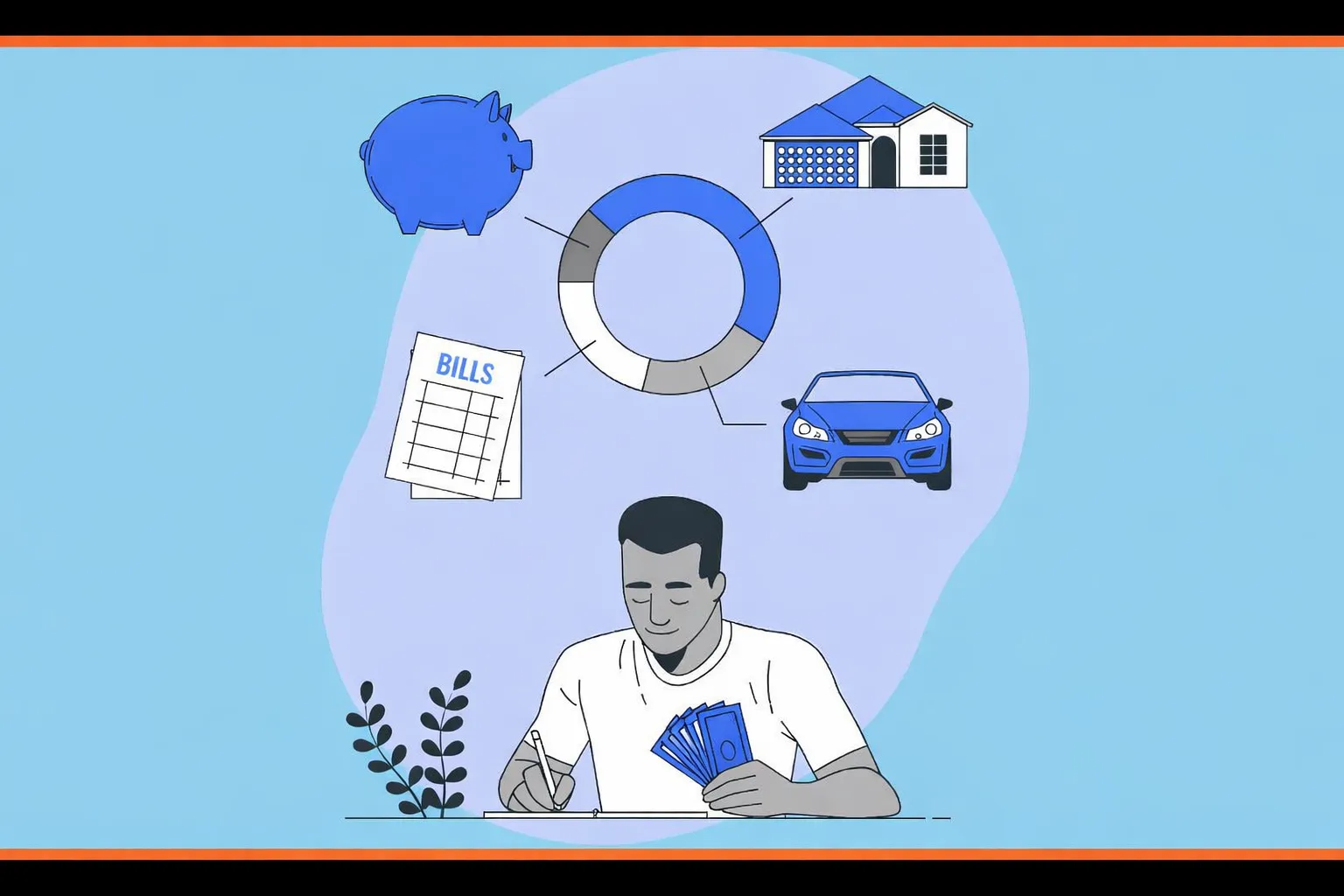
When you’re in control of your finances:
- You reduce financial stress
- You avoid unnecessary debt and fees
- You make smarter, value-based decisions
- You move closer to your goals (buying a home, traveling, retiring early)
Good money management gives you confidence and flexibility in life.
Step 1: Know Your Financial Situation
Before improving your finances, you need a clear starting point.
How to Calculate Your Financial Position
- Track your income (salary, side hustle, etc.)
- Record all expenses for at least one month
- List your assets (cash, savings, investments)
- Subtract your debts (loans, credit cards)
The result is your net worth—a snapshot of your financial health.
Step 2: Learn to Live Within Your Means
The golden rule of personal finance:
Spend less than you earn.
This doesn’t mean cutting all enjoyment—it means prioritizing what truly matters and avoiding unnecessary expenses. Staying within your means helps you:
- Avoid debt
- Save more
- Invest for the future
Step 3: Build a Budget That Works
A budget is your financial roadmap. It tells your money where to go.
How to Create a Simple Budget
- List Income and Expenses
- Fixed: rent, bills, loans
- Variable: food, entertainment
- Set Financial Goals
- Emergency fund
- Debt payoff
- Travel or home purchase
- Track and Adjust
Review monthly and adjust as needed.
A budget isn’t restrictive—it gives you freedom to spend wisely without guilt.
Step 4: Choose the Right Bank Accounts
Bank accounts help you manage and protect your money.
Common Types of Accounts
- Checking account: Daily spending
- Savings account: Emergency fund & goals
- Money market account: Higher interest + flexibility
- Certificates of Deposit (CDs): Fixed-term savings
Online vs Traditional Banks
- Online banks: Lower fees, higher interest
- Traditional banks: In-person services, ATM access
Choose based on your lifestyle and needs.
Step 5: Build Savings and an Emergency Fund
Saving money is the foundation of financial security.
Why Saving Matters
- Provides financial independence
- Covers unexpected expenses
- Helps achieve long-term goals
Emergency Fund Basics
- Aim for 3–6 months of living expenses
- Use it for emergencies only (job loss, medical, repairs)
How to Grow Your Savings
- Automate monthly transfers
- Save windfalls (bonuses, tax refunds)
- Cut unnecessary expenses
Step 6: Manage Debt Wisely
Debt isn’t always bad—but unmanaged debt can be harmful.
Types of Debt
- Credit cards (high interest)
- Student loans
- Car loans
- Mortgages
Best Debt Repayment Strategies
- Debt Snowball: Pay smallest debts first
- Debt Avalanche: Pay highest interest first
Focus on high-interest debt first to save money.
Step 7: Understand Credit and Credit Cards
Your credit score affects loans, interest rates, and approvals.
Tips for Using Credit Cards Wisely
- Pay your balance in full every month
- Keep usage below 30% of your limit
- Always pay on time
- Understand APR and fees
Used correctly, credit cards can help build your financial profile.
Step 8: Start Investing Early
Investing helps your money grow over time.
Why Investing Matters
- Beats inflation
- Builds long-term wealth
- Helps achieve financial freedom
Common Investment Options
- Stocks
- Bonds
- Mutual funds
- ETFs
How to Start Investing
- Open a brokerage account
- Choose a strategy based on your goals
- Invest consistently
Start small—consistency matters more than timing.
Step 9: Plan for Retirement
The earlier you start, the easier it becomes.
Retirement Saving Options
- 401(k) (with employer match)
- Roth IRA (tax-free growth)
- Traditional IRA
Even small contributions grow significantly over time thanks to compound interest.
Step 10: Protect Yourself with Insurance
Insurance protects you from financial disasters.
Key Types of Insurance
- Health insurance
- Car insurance
- Home/renter’s insurance
- Life insurance
- Disability insurance
Choose coverage based on your lifestyle, income, and responsibilities.
Step 11: Increase Your Income
Growing your income accelerates financial progress.
Ways to Earn More
- Negotiate your salary
- Start a side hustle
- Build passive income (investments, digital products)
More income = more opportunities to save and invest.
Final Thoughts
Mastering personal finance doesn’t happen overnight—but every small step counts.
Start simple:
- Track your money
- Build a budget
- Save consistently
- Invest for the future
Over time, these habits compound into financial freedom and peace of mind.
Quick Recap
- Budgeting keeps your spending on track
- Saving builds financial security
- Debt management reduces stress
- Investing grows your wealth
- Insurance protects your future
- Increasing income speeds up progress