

The idea of achieving Financial Independence, Retire Early (FIRE) has evolved from a niche movement into a mainstream financial goal—especially among younger generations. With the rise of social media, personal finance blogs, and YouTube channels, FIRE has become a powerful vision: escape the 9-to-5 grind and take control of your life.
But in today’s unpredictable economy, one question stands out: Is FIRE actually realistic for Gen Z?
In this guide, we’ll explore what FIRE is, why it appeals to Gen Z, the challenges they face, and practical steps to help young adults move toward financial independence.
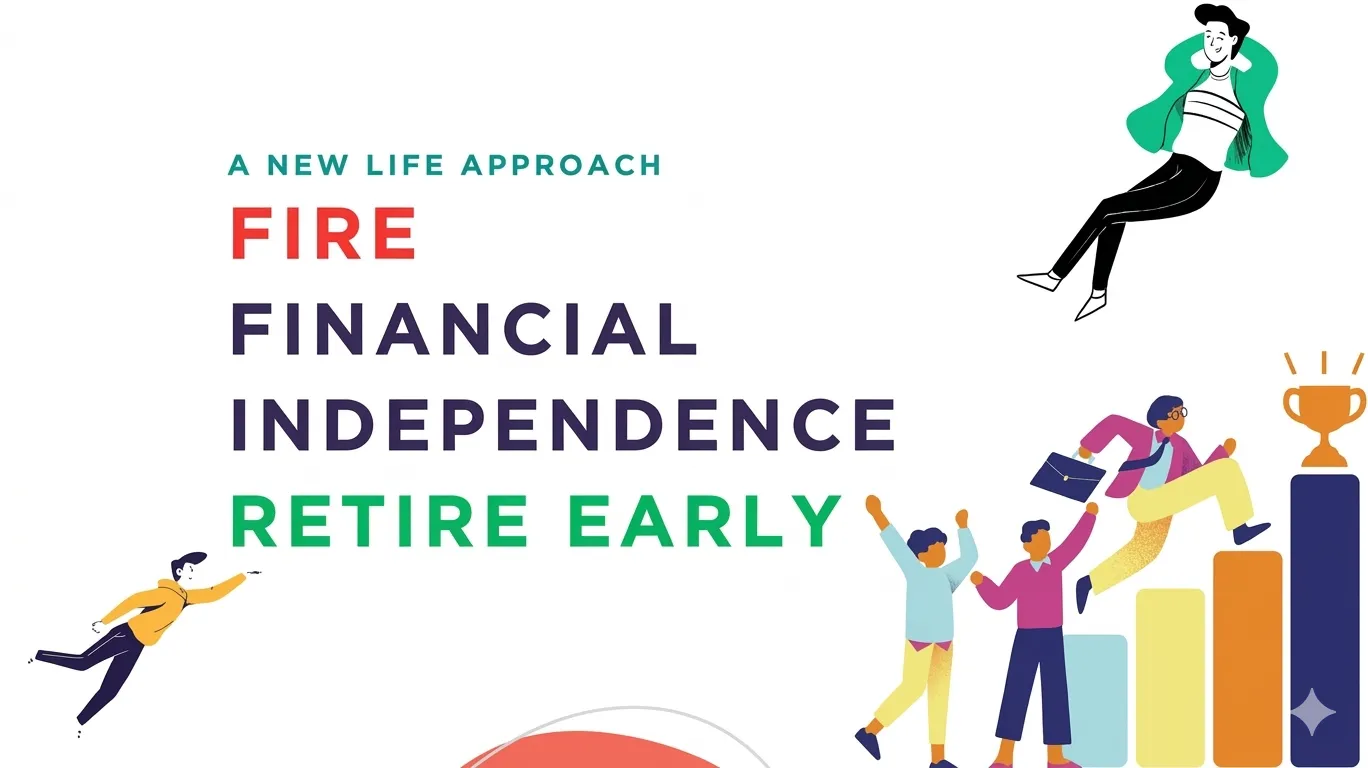
What Is the FIRE Movement?
FIRE is a financial strategy focused on building enough wealth so you no longer need to rely on active income. Instead, your investments generate passive income—through dividends, interest, or capital gains—to cover your living expenses.
Types of FIRE
There are two primary approaches:
- Lean FIRE
A minimalist lifestyle focused on cutting expenses to the bare minimum. This approach requires aggressive saving and a lower cost of living. - Fat FIRE
A more comfortable path that allows for a higher standard of living. It requires a larger investment portfolio but offers more flexibility and luxury.
The 4% Rule
A core principle of FIRE is the 4% rule, which suggests you can safely withdraw 4% of your portfolio annually without running out of money for at least 30 years.
For example:
- Annual expenses: $40,000
- Required savings: ~$1,000,000
Why FIRE Appeals to Gen Z
Gen Z is entering adulthood during a time of economic uncertainty, rising costs, and shifting career norms. Unsurprisingly, FIRE has become highly attractive.
1. Desire for Flexibility
Unlike previous generations, Gen Z values freedom and autonomy over traditional job security. FIRE offers the possibility to design life on your own terms.
2. Tech-Savvy Advantage
With access to fintech tools and investment platforms, Gen Z can start investing earlier and more easily than ever before.
3. Focus on Experiences
Many young adults prioritize experiences over material possessions, aligning perfectly with FIRE’s emphasis on intentional spending.
Challenges Gen Z Faces in Achieving FIRE
While the vision is compelling, the path isn’t easy. Gen Z faces several financial obstacles:
Student Debt
Many young adults begin their careers burdened with significant student loans, limiting their ability to save and invest early.
Rising Cost of Living
Housing, healthcare, and education costs continue to outpace income growth, making aggressive saving more difficult.
Wage Stagnation
Despite new job opportunities, many salaries have not kept up with inflation, reducing real earning power.
Market Volatility
Economic uncertainty and market fluctuations can make long-term investing feel risky, especially for new investors.
Is FIRE Achievable for Gen Z?
The short answer: Yes—but it may look different.
FIRE is not a one-size-fits-all strategy. Instead of aiming for extreme early retirement, Gen Z can adopt a flexible version of FIRE that focuses on financial independence rather than a strict retirement age.
Why It’s Still Possible
- Starting Early
Time is the biggest advantage. Even small, consistent investments can grow significantly through compounding. - Flexible Lifestyles
Gen Z’s openness to minimalism and remote work can reduce expenses and increase savings potential. - Side Hustles & Entrepreneurship
The gig economy makes it easier to create additional income streams. - Access to Technology
Investing has never been more accessible, with tools that simplify portfolio management and education.
How Gen Z Can Achieve Financial Independence
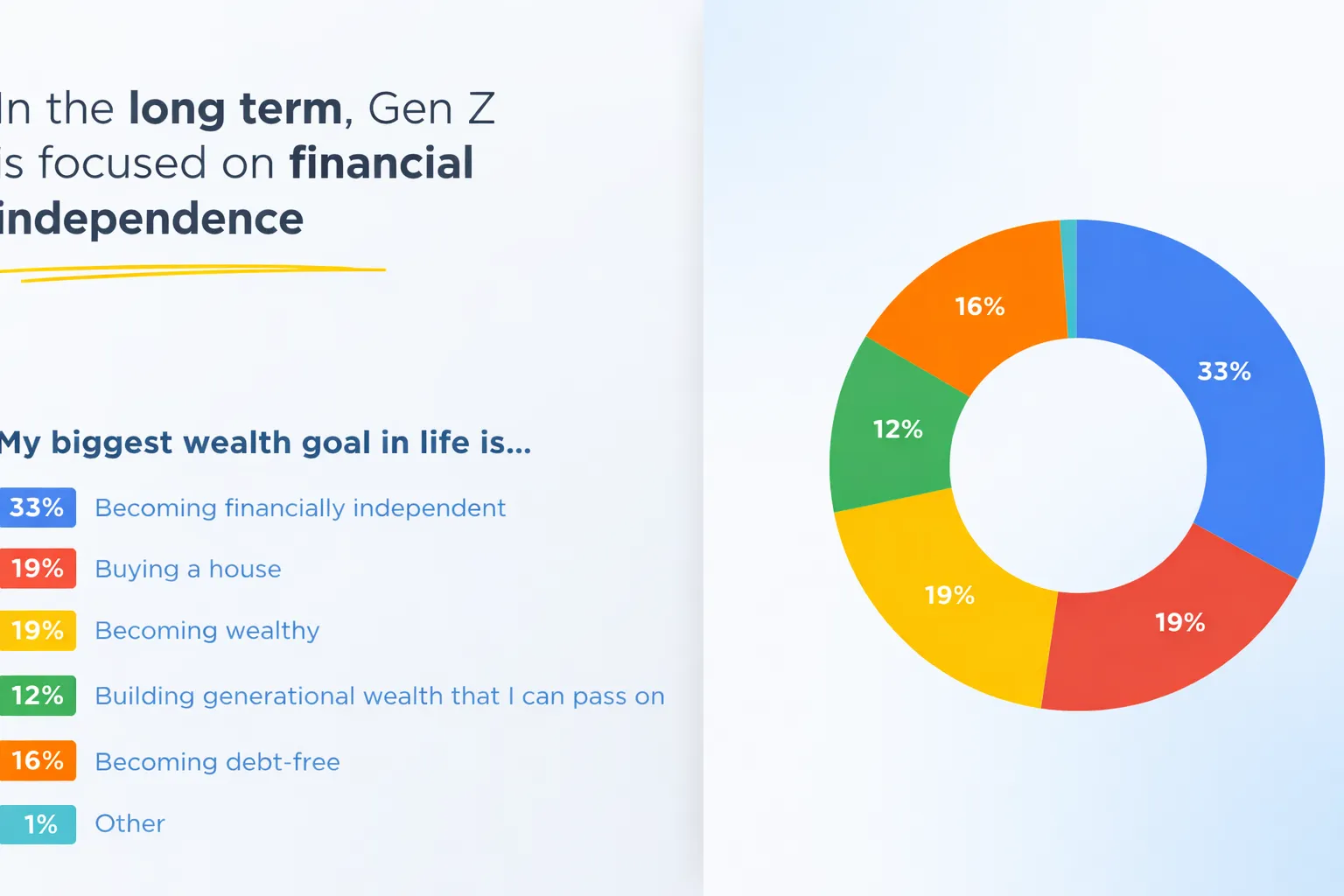
If FIRE is your goal, here are actionable steps to get started:
1. Build a Strong Financial Foundation
Before investing:
- Pay off high-interest debt
- Create an emergency fund (3–6 months of expenses)
This ensures financial stability and protects your investments.
2. Increase Your Savings Rate
FIRE often requires saving 50–70% of income, but that’s not realistic for everyone at the start.
Instead:
- Begin with 20–30% savings
- Increase gradually as your income grows
3. Invest Early and Consistently
Consistency matters more than timing.
Focus on:
- Low-cost index funds and ETFs
- Long-term investing strategies
- Tax-advantaged accounts (if available in your country)
4. Control Spending and Avoid Lifestyle Inflation
Being frugal doesn’t mean sacrificing happiness.
- Cut unnecessary expenses
- Spend intentionally
- Avoid upgrading your lifestyle as income increases
5. Build Multiple Income Streams
Relying on a single income source can slow your progress.
Consider:
- Freelancing or remote work
- Starting an online business
- Investing in dividend assets
Multiple income streams can significantly accelerate your journey to FIRE.
Final Thoughts: Is FIRE Worth It for Gen Z?
FIRE may not mean retiring at 35 for most Gen Z individuals—but that doesn’t make it unrealistic.
Instead, think of FIRE as a spectrum of financial freedom:
- The ability to leave a job you dislike
- The flexibility to pursue passion projects
- The security to handle unexpected life events
Despite challenges like student debt and rising costs, Gen Z has unique advantages: time, technology, and adaptability.