


Introduction: Why Mindset Matters More Than Money

What truly separates wealthy individuals from everyone else? It’s not just income, luck, or even opportunity—it’s mindset.
The psychology of wealth is built on a deliberate way of thinking. For rich individuals, money is not the final goal. Instead, it’s a tool for growth, freedom, and long-term impact. This shift in perspective is what allows them to stay calm during market downturns, seize opportunities, and build sustainable wealth over time.
In this article, we’ll explore how wealthy individuals think differently, how they invest strategically, and how you can adopt the same mindset to improve your financial future.
The Core Principle: Money as a Tool, Not the Goal
Most people view money as something to earn and spend. Wealthy individuals see it differently.
They treat money as:
- A resource to generate more wealth
- A means to create value
- A lever for long-term growth
This mindset changes everything. Instead of chasing short-term gains, they focus on building systems that produce consistent returns over time.
Emotional vs. Rational Thinking in Financial Decisions
One of the biggest differences between average individuals and high-net-worth individuals (HNIs) is decision-making.
Average Investors:
- Driven by fear, greed, and regret
- React to market news and short-term trends
- Often buy high and sell low
Wealthy Individuals:
- Think long-term
- Rely on data and strategy
- Stay disciplined during volatility
By removing emotion from financial decisions, wealthy individuals avoid common mistakes and stay focused on their long-term goals.
The Investment Gap: HNIs vs. Retail Investors
The difference between wealthy investors and everyday investors goes far beyond account size—it lies in strategy and diversification.
1. Diversification Into Alternative Assets
Wealthy individuals don’t rely solely on stocks or mutual funds. They expand into:
- Private equity
- Venture capital
- Hedge funds
- Structured investments
These options often provide higher potential returns and better diversification.
2. Real Estate as a Wealth Engine
For the rich, real estate is not just about owning a home—it’s a core investment strategy.
They invest in:
- Commercial properties
- Rental portfolios
- International real estate
This creates:
- Passive income
- Long-term appreciation
- Protection against inflation
3. Smart (Not Reckless) Risk-Taking
Wealthy individuals don’t avoid risk—they manage it intelligently.
They:
- Conduct deep research (due diligence)
- Diversify across asset classes
- Seek expert advice
They understand that risk is necessary for growth, but it must always be calculated.
The Billionaire Mindset: Thinking Beyond Wealth
When moving from millionaire to billionaire thinking, the mindset evolves even further.
Long-Term Vision Over Instant Gratification
Wealthy individuals are willing to invest in projects that may take 10–20 years to pay off. They focus on building legacies, not quick wins.
Creating Value First, Money Second
The ultra-wealthy prioritize:
- Solving large problems
- Building impactful businesses
- Improving lives at scale
Money becomes a byproduct of value creation, not the primary objective.
Active Wealth Management
Wealth is not left on autopilot.
High-net-worth individuals:
- Continuously review and rebalance portfolios
- Work with financial experts
- Adapt strategies as markets evolve
Behavioral Biases: Even the Wealthy Aren’t Perfect
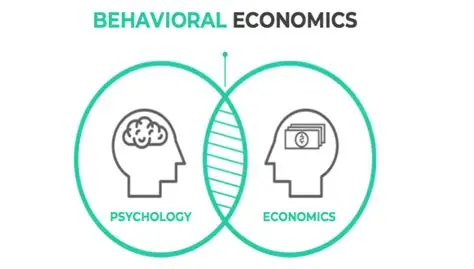
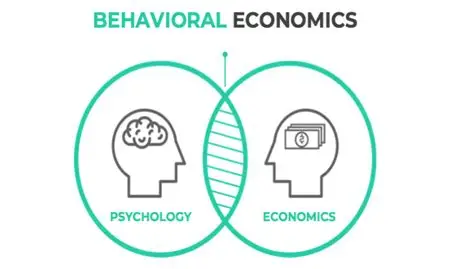 Even experienced investors face psychological challenges. Understanding these biases is key to mastering wealth.
Overconfidence Bias
Success can lead to excessive risk-taking and poor judgment.
Confirmation Bias
Investors may only seek information that supports their beliefs.
Loss Aversion
The fear of losses can lead to holding onto bad investments for too long.
Solution: The most successful investors use advisors not just for strategy—but for behavioral discipline.
Emerging Trends in Wealth Building
The financial strategies of wealthy individuals continue to evolve. Here are key trends shaping the future:
1. ESG Investing (Sustainable Wealth)
Wealthy investors are increasingly focusing on:
- Environmental responsibility
- Social impact
- Ethical governance
Profit is no longer the only goal—impact matters.
2. Private Credit Opportunities
With traditional investments offering lower returns, HNIs are turning to:
- Direct lending
- Customized debt structures
These options often provide higher yields and flexibility.
3. Legacy Planning and Philanthropy
Wealth is no longer just about accumulation.
Modern wealthy individuals focus on:
- Preserving wealth across generations
- Building family offices
- Supporting charitable causes
They aim to leave behind not just money—but a meaningful legacy.
How You Can Apply the Wealth Mindset Today
You don’t need millions to think like the wealthy. You can start now:
- Think long-term: Focus on where you’ll be in 10–20 years
- Control emotions: Avoid impulsive financial decisions
- Invest consistently: Build habits, not shortcuts
- Diversify wisely: Don’t rely on a single income stream
- Keep learning: Financial education is a lifelong process
Conclusion: Wealth Begins in the Mind
True wealth is not just about how much money you have—it’s about how you think.
The mindset of rich people is built on:
- Discipline
- Patience
- Strategic thinking
- Continuous growth
If you can adopt these principles, you can transform your financial life—regardless of your current income.