

Easy Budgeting Strategies for Busy People
Budgeting is a fundamental tool for anyone looking to gain control of their finances. Whether your goal is saving for a vacation, paying off debt, or simply breaking free from living paycheck to paycheck, creating and sticking to a budget is essential. In this guide, we’ll explain what budgeting is and share practical strategies to help even the busiest people manage their money effectively.
Why Budgeting for Beginners Matters
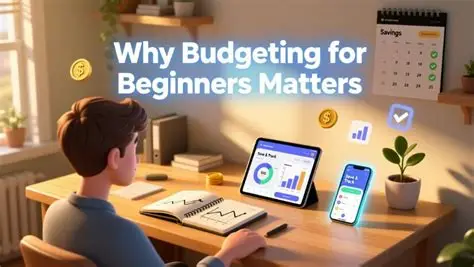
A budget is more than just a list of expenses—it’s a roadmap for your financial goals. With a clear budget, you can:
- Track where your money goes
- Reduce unnecessary spending
- Save for short- and long-term goals
- Avoid debt or manage existing debt better
By taking control of your finances today, you set yourself up for a more secure and stress-free future.
Tips to Create an Effective Budget (Budgeting Strategies)
Here are actionable tips to help you build a budget that works:
1. Set Clear Financial Goals
Before you create a budget, define your objectives. Are you saving for a dream trip, reducing debt, or building an emergency fund? Clear goals guide your budgeting decisions and help you stay motivated.
2. Choose a Budgeting Method That Fits You
There’s no one-size-fits-all approach. Experiment with different methods to find what suits your lifestyle:
- Zero-Based Budget – Assign every dollar of income to expenses, savings, or debt, leaving zero unallocated. Extra funds go directly into savings or another goal.
- Envelope Method – Use cash for different categories (groceries, entertainment, etc.) in labeled envelopes. When money in an envelope runs out, no more spending in that category.
- Pay-Yourself-First Budget – Prioritize debt repayment and savings before covering discretionary expenses.
- 50/20/30 Budget – Allocate 50% of income to needs, 20% to savings/debt, and 30% to wants.
3. Use a Budget Template
If you’re new to budgeting, online templates can simplify the process. Most templates cover typical expenses, helping you organize your monthly income efficiently. Print or save your template for easy monthly updates.
4. Prioritize Spending
Identify essential expenses like housing, groceries, and transportation first. Then allocate funds to non-essential items like dining out or entertainment. Prioritizing ensures your needs are always met before wants.
5. Focus on Debt Repayment
Debt can quickly derail your financial plan. Adopt a strategy—like the debt snowball or debt avalanche method—to systematically pay off debt and reduce interest payments over time.
6. Track Every Expense
Even small expenses matter. Tracking purchases helps you understand spending patterns and identify areas to save. Spend a few months diligently recording expenses for a realistic view of your finances.
7. Review Your Spending Habits
Regularly analyze where your money goes. For example, daily coffee runs can cost around $150 a month—making coffee at home could save you hundreds annually. Understanding habits helps you adjust spending wisely.
8. Stick to a Consistent Budgeting Schedule
Pay bills on set dates and plan grocery shopping weekly. Routine budgeting ensures better control over money flow and avoids last-minute financial surprises.
9. Include a Miscellaneous Fund
Unexpected costs—like car repairs or home emergencies—are inevitable. Allocate a portion of your budget for these surprises to avoid using money from other categories or accumulating debt.
10. Use Cash Instead of Cards
Cash helps you visualize spending. When using credit or debit cards, it’s easy to overspend. Using cash for daily purchases can prevent unnecessary expenses.
11. Automate Your Savings
Set up automatic transfers to a savings account each week or month. Automating savings reduces reliance on self-control and ensures consistent contributions toward your goals.
12. Leverage Budgeting Apps
Digital tools and apps make tracking expenses and monitoring progress easier. They can provide alerts, categorize spending, and highlight areas where you can improve.
13. Limit or Cancel Credit Cards
Reducing credit card access helps avoid impulse spending and high-interest debt. Store cards safely or remove them entirely from your wallet to maintain control over finances.
Conclusion
Building an effective budget takes time and practice. Be patient with yourself, especially if it’s your first time. Over time, you’ll identify spending patterns, avoid overspending, and become more confident in managing your money.
Remember, budgets aren’t static—they can change weekly or monthly depending on income, holidays, and unexpected expenses. Regularly review your budget and adjust as necessary to stay on track toward your financial goals.
By implementing these strategies, even busy people can take control of their finances, reduce stress, and make meaningful progress toward a more secure future.