
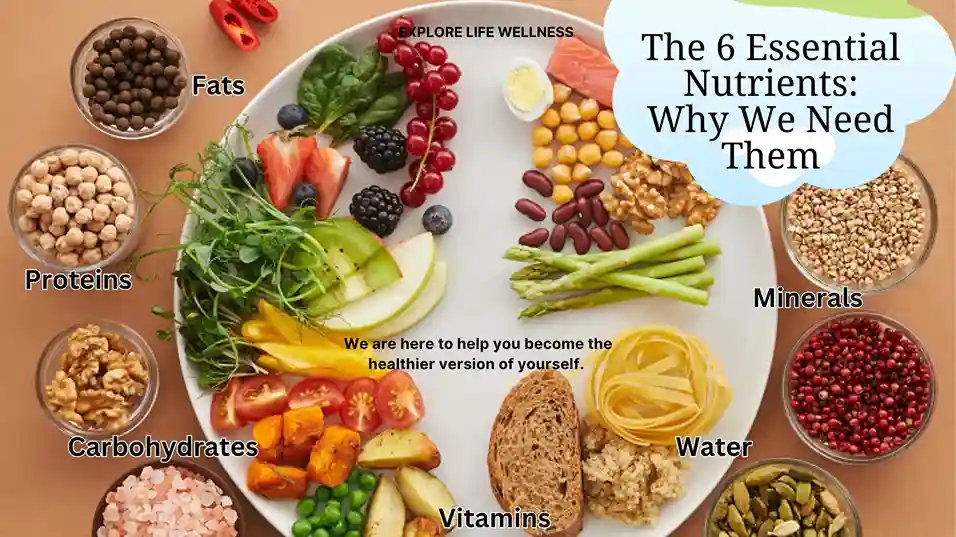

6 Essential Nutrients and Why Your Body Needs Them
Maintaining optimal health starts with understanding what your body truly needs to function at its best. Essential nutrients are compounds your body cannot produce in sufficient amounts on its own, which means you must obtain them through your daily diet. These nutrients play a vital role in growth, energy production, immune support, and overall well-being.
In this guide, we’ll break down the six essential nutrients, explain why they matter, and show you how to incorporate them into a balanced diet.
What Are Essential Nutrients?
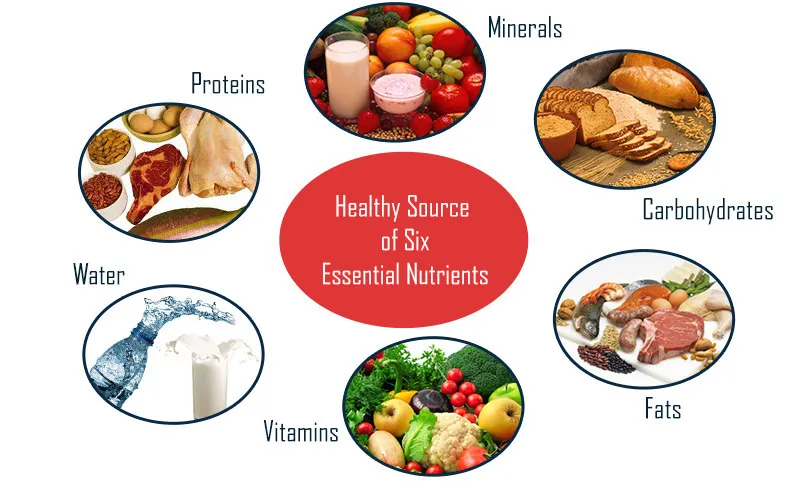
Essential nutrients are divided into two main categories:
Macronutrients
Macronutrients are required in large amounts and provide energy for your body. These include:
- Protein
- Carbohydrates
- Fats
Micronutrients
Micronutrients are needed in smaller quantities but are equally important for maintaining health. These include:
- Vitamins
- Minerals
Another critical component of life is water, which supports every bodily function.
1. Protein: The Body’s Building Block
Protein is essential for building, repairing, and maintaining tissues. Every cell in your body—from muscles to skin and hair—relies on protein to function properly.
It also plays a key role in producing hormones, enzymes, and antibodies that support immunity and metabolism.
Healthy Sources of Protein
- Eggs
- Lean meats (chicken, beef, turkey)
- Fish
- Dairy products
- Beans and legumes
- Nuts and seeds
Tip: Aim to get 10–30% of your daily calories from protein, depending on your age and activity level.
2. Carbohydrates: Your Body’s Main Energy Source
Carbohydrates provide the fuel your body needs to perform daily activities and maintain stable blood sugar levels.
Types of Carbohydrates
- Complex carbs: Found in whole grains, vegetables, and legumes. They digest slowly and provide long-lasting energy.
- Simple carbs: Found in sugar, candy, and processed foods. They digest quickly and may cause blood sugar spikes.
Healthy Carb Choices
- Fruits and vegetables
- Whole grains (brown rice, oats)
- Beans and legumes
Limit: Refined sugars, pastries, and sugary drinks.
Recommended intake: 45–65% of your daily calories should come from carbohydrates.
3. Fats: Essential for Energy and Nutrient Absorption
Fats often get a bad reputation, but they are crucial for your health. They help your body absorb fat-soluble vitamins and provide a concentrated source of energy.
Types of Fats
- Unsaturated fats (healthy): Found in nuts, seeds, fish, and plant oils
- Saturated fats (limit): Found in butter, red meat, and processed foods
Recommended intake: 20–35% of your daily calories from fats.
4. Vitamins: Supporting Vital Functions
Vitamins are essential for many bodily processes, including immunity, vision, and cell function.
Types of Vitamins
- Fat-soluble vitamins (A, D, E, K): Stored in the body and support bone health, vision, and immunity
- Water-soluble vitamins (B-complex, C): Help with energy production, skin health, and nerve function
Food Sources
- Fruits and vegetables
- Whole grains
- Dairy and animal products
Note: A deficiency in vitamins can lead to serious health problems, so a balanced diet is key.
5. Minerals: Strengthening Your Body
Minerals are essential for building strong bones, regulating metabolism, and maintaining hydration.
Key Minerals Include
- Calcium
- Potassium
- Magnesium
- Iron
- Zinc
- Sodium
Food Sources
- Meat and seafood
- Eggs
- Fruits and vegetables
- Whole grains
Eating a varied diet ensures you get a full spectrum of essential minerals.
6. Water: The Foundation of Life
Water is often overlooked but is one of the most important nutrients. About 60% of the human body is made up of water, making it essential for survival.
Benefits of Staying Hydrated
- Regulates body temperature
- Protects joints and organs
- Flushes out toxins
- Prevents fatigue and headaches
Hydration Tips
- Drink water regularly throughout the day
- Eat water-rich foods like fruits and vegetables
- Monitor urine color (light yellow = well hydrated)

The Bottom Line
Your body depends on six essential nutrients—protein, carbohydrates, fats, vitamins, minerals, and water—to function properly and stay healthy.
The best way to meet your nutritional needs is by following a balanced diet that includes:
- Fresh fruits and vegetables
- Whole grains
- Lean proteins
- Healthy fats
By making mindful food choices, you can support your energy levels, strengthen your immune system, and improve your overall quality of life.