
What Exactly Is a Balanced Diet? A Complete Beginner’s Guide
A balanced diet is one of the most important foundations of good health. You’ve probably heard that eating the “right mix” of foods helps boost energy, improve longevity, and support overall well-being. But what does a balanced diet really look like in practice?
In this guide, we’ll break down everything you need to know—from the core principles to practical tips—so you can build healthier eating habits with confidence.
What Is a Balanced Diet?
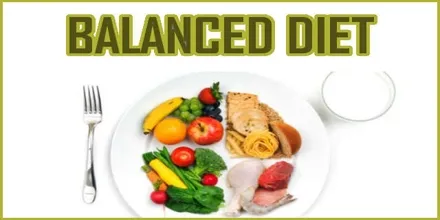
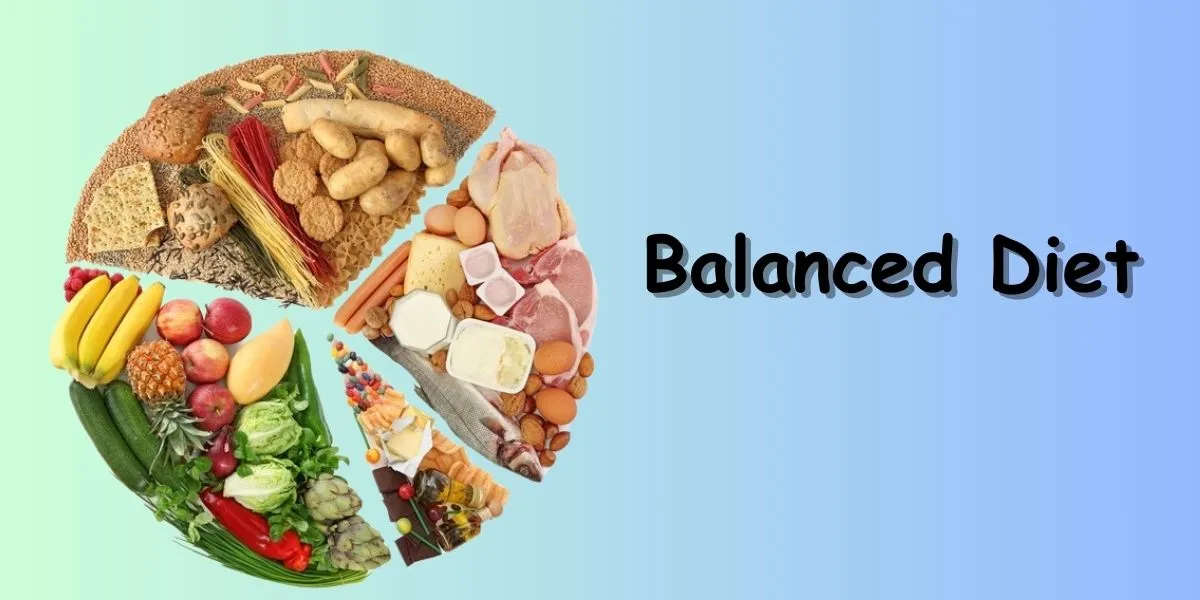
At its simplest, a balanced diet means eating a variety of nutrient-rich foods in the right proportions. Instead of focusing on “superfoods” or cutting out entire food groups, the goal is to provide your body with all the essential nutrients it needs to function properly.
A good rule of thumb is:
- 50% fruits and vegetables
- 25% protein
- 25% grains (preferably whole grains)
- Plus dairy or dairy alternatives daily
The key idea here is variety and balance, not perfection.
Why Is a Balanced Diet Important?
Following a balanced diet can help you:
- Maintain a healthy weight
- Boost energy levels
- Support muscle growth and repair
- Improve digestion
- Strengthen your immune system
- Reduce the risk of chronic diseases
Interestingly, many people believe they already eat healthily—but studies show that a large percentage actually fall short. Understanding what balance truly means is the first step toward better nutrition.
The Core Components of a Balanced Diet
1. Fruits and Vegetables (50% of Your Plate)
Fruits and vegetables should make up half of your daily intake. They are rich in vitamins, minerals, antioxidants, and fiber.
Tips to maximize benefits:
- Eat a variety of colors (green, red, orange, purple)
- Choose fresh or minimally processed options
- Limit starchy vegetables like potatoes and corn in this category
The more colorful your plate, the more diverse nutrients you get.
2. Protein (25% of Your Plate)
Protein is essential for building muscle, repairing tissues, and keeping you full longer.
Healthy protein sources include:
- Lean meats like chicken breast
- Fish such as salmon
- Eggs
- Beans and lentils
- Nuts and seeds
- Plant-based options like tofu and tempeh
Tip: Focus on lean proteins and limit red meat, which can be high in saturated fat.
3. Grains (25% of Your Plate)
Grains are your body’s main source of carbohydrates, which provide energy.
However, not all grains are created equal.
Choose whole grains like:
- Brown rice
- Oats
- Quinoa
- Whole wheat bread and pasta
- Bulgur and buckwheat
Why whole grains?
They contain more fiber, which supports digestion, heart health, and long-lasting energy.
4. Dairy (or Alternatives)
Dairy products are rich in calcium and vitamin D, both essential for strong bones.
Recommended daily intake:
- About 3 cups per day
Examples include:
- Milk (including lactose-free or fortified plant milk)
- Yogurt
- Cheese
If you don’t consume dairy, you can still get calcium from:
- Fortified plant-based drinks
- Tofu
- Sardines
Can a Balanced Diet Look Different for Everyone?
Absolutely. A balanced diet isn’t one-size-fits-all.
Your ideal intake depends on factors like:
- Age
- Height and weight
- Activity level
- Health conditions
For example, an athlete will need more calories and protein than someone with a sedentary lifestyle.
What About Sweets and Treats?
A balanced diet doesn’t mean eliminating your favorite foods.
You can still enjoy sweets—just in moderation.
Smart approach:
- Keep portions small
- Treat them as occasional indulgences
- Focus on consistency, not restriction
Completely cutting out treats can make a diet harder to maintain long-term.
Practical Tips to Build a Balanced Diet
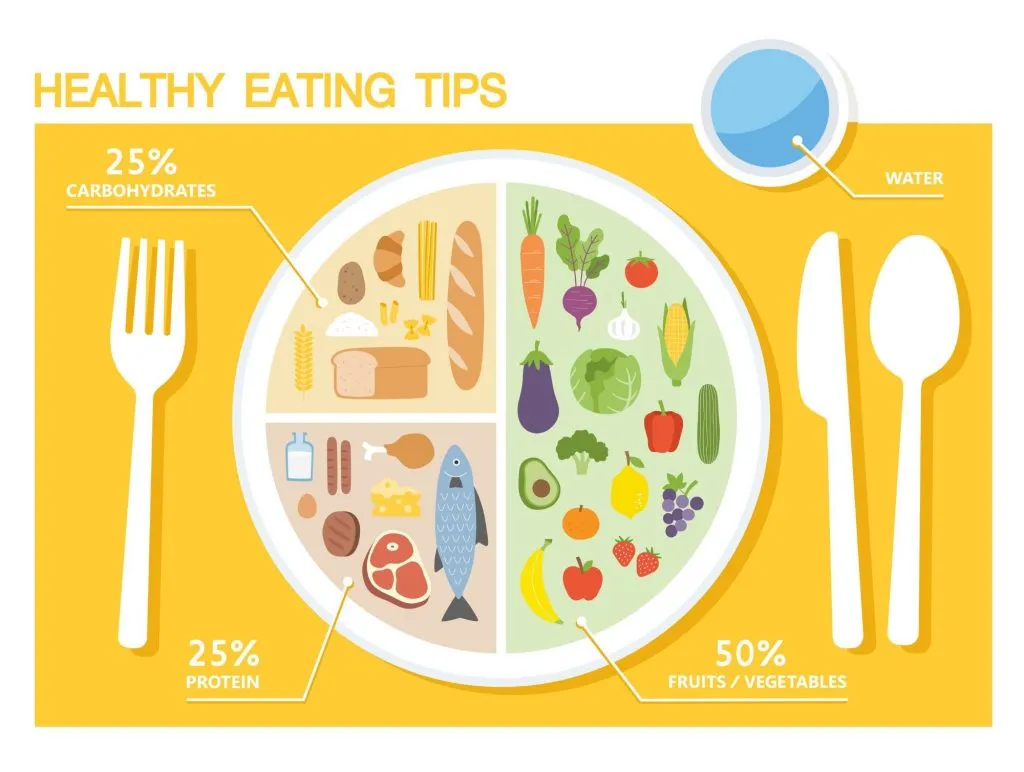
- Fill half your plate with fruits and vegetables
- Choose whole foods over processed ones
- Include a protein source in every meal
- Swap refined grains for whole grains
- Stay hydrated
- Plan meals ahead to avoid unhealthy choices
Final Thoughts
A balanced diet is not about strict rules or perfection—it’s about consistency, variety, and mindful choices. By incorporating a mix of fruits, vegetables, proteins, whole grains, and dairy (or alternatives), you can fuel your body for long-term health.