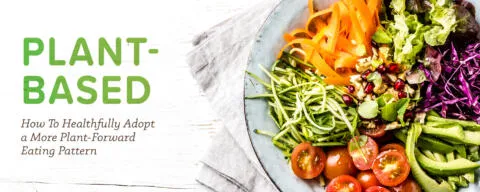

Plant-Based Diets: Myths, Benefits, and a Beginner’s Guide to Getting Started
In recent years, plant-based diets have gained massive popularity as more people seek healthier lifestyles and environmentally friendly choices. Despite this growing trend, many misconceptions still prevent individuals from embracing plant-based eating.
This SEO-friendly guide will debunk common myths, highlight the proven health and environmental benefits, and provide practical steps to help you transition smoothly into a plant-based lifestyle.
What Is a Plant-Based Diet?
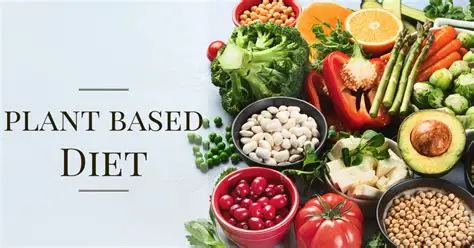
A plant-based diet focuses primarily on foods derived from plants, including:
- Fruits and vegetables
- Whole grains
- Legumes
- Nuts and seeds
It doesn’t necessarily mean eliminating animal products entirely, but rather prioritizing plant-based foods for optimal health and sustainability.
Common Myths About Plant-Based Diets (Debunked)
1. “Plant-Based Diets Don’t Provide Enough Protein”
This is one of the most widespread myths. In reality, a well-balanced plant-based diet can supply all essential amino acids your body needs.
Top Plant-Based Protein Sources:
- Quinoa (complete protein)
- Tofu, tempeh, and edamame
- Beans and lentils paired with grains
- Chia seeds and hemp seeds
By eating a variety of these foods, meeting your daily protein needs is entirely achievable.
2. “Plant-Based Eating Is Expensive”
Plant-based diets can actually be very budget-friendly when you focus on whole foods.
Money-Saving Tips:
- Buy staples like rice, lentils, and oats
- Choose seasonal produce
- Purchase in bulk
- Cook meals at home
- Use frozen fruits and vegetables
With smart planning, plant-based eating can cost less than a traditional diet.
3. “Plant-Based Food Is Boring”
Plant-based meals are anything but dull. With global cuisines and creative cooking techniques, the variety is endless.
Ways to Add Flavor and Variety:
- Explore cuisines like Indian, Mediterranean, and Middle Eastern
- Use herbs and spices generously
- Try different cooking methods (grilling, roasting, stir-frying)
- Experiment with plant-based alternatives
Health Benefits of a Plant-Based Diet
Improved Heart Health
Plant-based diets are rich in fiber and low in saturated fats, helping to:
- Reduce LDL (bad cholesterol)
- Increase HDL (good cholesterol)
- Lower blood pressure
This significantly reduces the risk of heart disease.
Better Weight Management
Plant-based foods are naturally lower in calories and high in fiber.
Key advantages:
- Increased fullness (satiety)
- Reduced overeating
- Stable blood sugar levels
Increased Energy Levels
Whole plant foods provide:
- Complex carbohydrates for sustained energy
- Antioxidants that reduce inflammation
- Essential nutrients for metabolic health
Environmental Benefits of Plant-Based Eating
Lower Carbon Footprint
Animal agriculture is a major source of greenhouse gas emissions. Switching to plant-based foods can dramatically reduce your environmental impact.
Reduced Water Usage
Plant foods require significantly less water than meat production, helping conserve global water resources.
Preservation of Natural Ecosystems
Plant-based diets reduce the demand for:
- Deforestation
- Habitat destruction
- Intensive farming practices
How to Start a Plant-Based Diet
1. Transition Gradually
- Start with one plant-based meal per day
- Replace familiar dishes with plant-based versions
- Increase frequency over time
2. Focus on Balanced Nutrition
Ensure your diet includes:
- Protein (legumes, tofu, seeds)
- Iron (leafy greens, beans)
- Calcium (fortified plant milks)
- Vitamin B12 (supplements or fortified foods)
3. Build a Plant-Based Pantry
Essentials to stock:
- Legumes: chickpeas, lentils, beans
- Whole grains: brown rice, oats, quinoa
- Nuts and seeds: almonds, chia, flax
- Fruits and vegetables (fresh or frozen)
- Herbs and spices
- Plant-based proteins (tofu, tempeh)
4. Plan Meals and Prep Ahead
Meal prepping helps:
- Save time
- Avoid unhealthy choices
- Stay consistent
5. Find Inspiration
- Follow plant-based blogs and recipe sites
- Use cooking apps
- Join online communities
- Try new ingredients and cuisines
Easy Plant-Based Meal Ideas
Chickpea Curry
A simple, flavorful dish made with chickpeas, coconut milk, and spices.
Quinoa & Black Bean Salad
A protein-packed, quick meal perfect for lunch or dinner.
Tips for Long-Term Success

- Set realistic goals (e.g., one plant-based day per week)
- Track your progress
- Stay informed about nutrition
- Celebrate small wins
- Consider consulting a nutrition expert
Final Thoughts
Adopting a plant-based diet is more than just a food choice—it’s a lifestyle that benefits your health, the environment, and future generations. By debunking myths, understanding the benefits, and taking practical steps, you can confidently transition to a sustainable and nourishing way of eating.