
The Power of Nutrition in Mental Wellness: Camber’s Approach to Mind-Body Healing

Have you ever noticed how what you eat can influence how you feel? It’s not just a coincidence—nutrition plays a powerful and scientifically supported role in mental wellness and recovery. At Camber Mental Health, this connection is at the core of a holistic, mind-body approach to healing.
From improving mood and energy levels to supporting long-term recovery, nutrition is more than just fuel—it’s a foundation for emotional and cognitive health. In this guide, we’ll explore how nutrition impacts mental wellbeing, the importance of mindful eating, and how Camber integrates personalized nutrition into mental health care.
How Nutrition Impacts Mental Health and Wellbeing
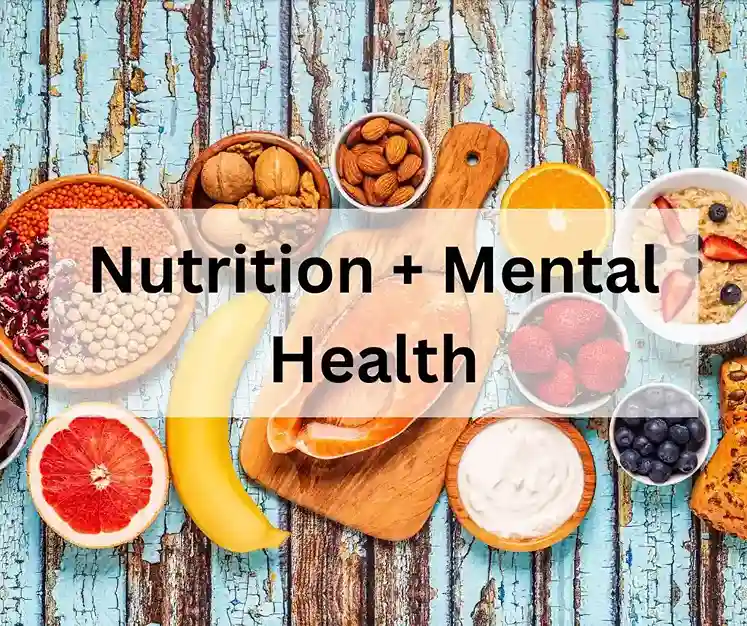
The relationship between nutrition and mental health is deeply interconnected. What we eat directly affects brain function, mood regulation, and overall cognitive performance.
A nutrient-rich diet can:
- Support neurotransmitter production (like serotonin and dopamine)
- Reduce inflammation linked to mental health disorders
- Improve gut health, which is closely tied to brain function
- Enhance focus, memory, and emotional balance
Think of your body like a car—high-quality fuel leads to better performance. Similarly, when you nourish your body with wholesome foods, your mind functions more effectively. On the other hand, poor nutrition can contribute to fatigue, mood swings, and difficulty managing stress.
Key Nutrients for Mental Wellness
To maintain optimal brain health, it’s essential to include a variety of nutrients in your daily diet. Some of the most important include:
- Omega-3 fatty acids – Support brain structure and reduce inflammation
- B vitamins – Help regulate mood and energy production
- Magnesium – Promotes relaxation and reduces anxiety
- Zinc – Supports cognitive function and immune health
- Iron – Prevents fatigue and improves concentration
- Protein – Provides amino acids for neurotransmitter production
- Fiber – Enhances gut health and digestion
- Antioxidants – Protect brain cells from oxidative stress
- Vitamin D – Plays a role in mood regulation
Remember, nutrition is about progress—not perfection. Even small improvements in your daily eating habits can lead to meaningful changes in mental wellbeing.
Mindful Eating: A Key to Emotional Balance
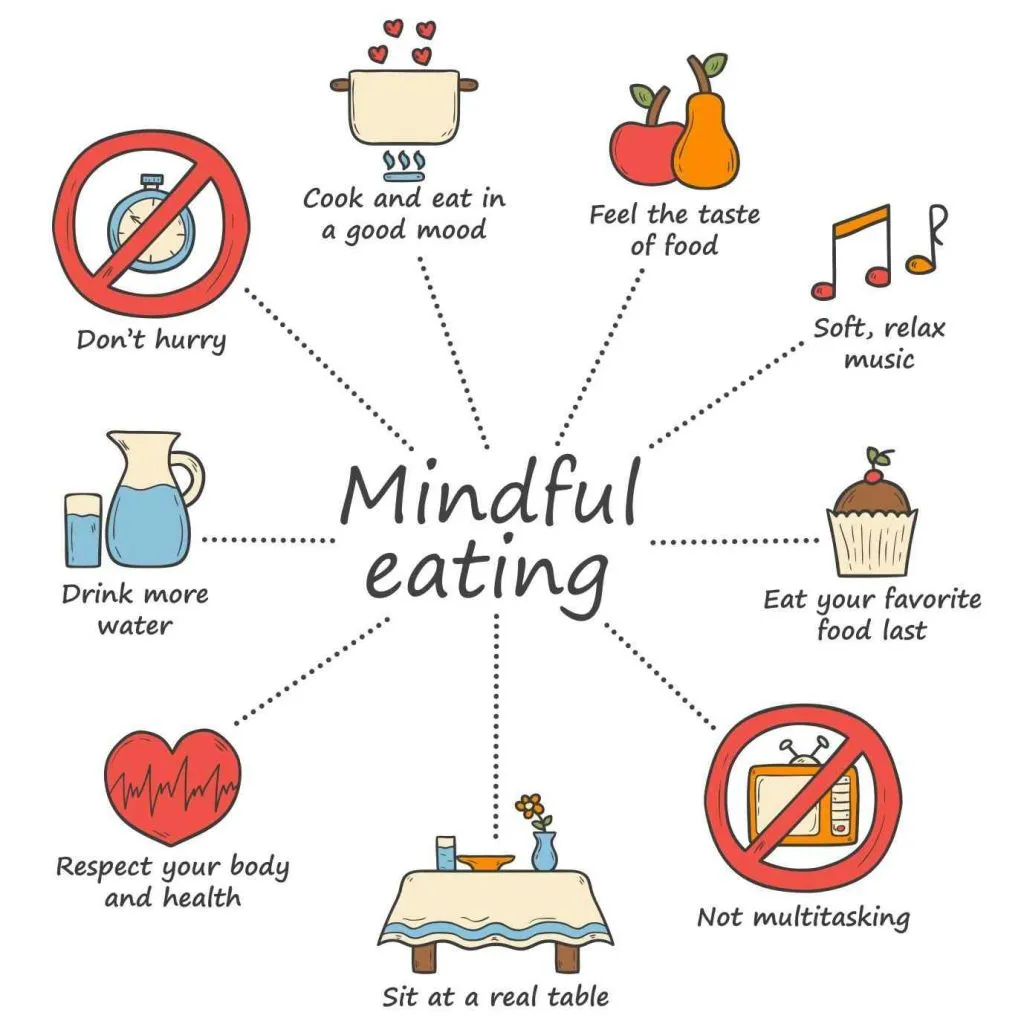
Mindful eating is the practice of being fully present during meals—paying attention to taste, texture, and how food makes you feel. Rather than focusing on restrictions or labeling foods as “good” or “bad,” mindful eating encourages awareness and balance.
Benefits of Mindful Eating
- Reduces stress and anxiety
- Minimizes guilt around food choices
- Encourages a healthier relationship with food
- Improves digestion and gut health
- Supports natural weight management
For families, especially those with children, mindful eating can be introduced through simple conversations. Ask questions like:
- “How does this food taste?”
- “What texture do you notice?”
- “How does it make your body feel?”
These small moments help build awareness and foster healthier eating habits over time.
Camber’s Collaborative Approach to Nutrition
At Camber Mental Health, nutrition is not a one-size-fits-all solution. Instead, it’s a collaborative process involving dietitians, therapists, physicians, and care teams working together to support each patient’s recovery journey.
Personalized Nutrition Plans
Each patient receives an individualized nutrition plan that evolves over time. These plans consider:
- Food allergies and sensitivities
- Personal preferences and cultural needs
- Medical conditions (such as diabetes)
- Emotional triggers related to food
This dynamic approach ensures patients receive the right balance of nutrients while feeling supported and understood.
What Does a Typical Meal Look Like?
Camber provides balanced, nutritious, and appealing meals designed to support both physical and mental health.
A typical daily menu may include:
- Breakfast: Milk, juice, cereal, and a warm entrée
- Lunch & Dinner:
- Protein (e.g., chicken)
- Whole grains or starches (e.g., rice or potatoes)
- Vegetables and fruits
- Dairy or dairy alternatives
- Snacks: Healthy options available between meals
Meals are designed to be both nourishing and enjoyable, helping patients rebuild a positive relationship with food.
Nutrition Needs: Youth vs. Adults
Nutritional requirements vary significantly between children, teens, and adults.
For Children and Teens:
- Higher calorie needs due to growth and development
- Greater sensitivity to blood sugar fluctuations
- Nutrition directly impacts mood, behavior, and energy levels
For Adults:
- Focus on maintaining energy balance and preventing chronic conditions
- Addressing appetite changes linked to stress or mental health challenges
Regular, balanced meals are especially important for younger individuals, as unstable blood sugar levels can contribute to mood swings and behavioral issues.
Nutrition in Eating Disorder Recovery
Nutrition plays a critical role in recovering from eating disorders. It’s not just about restoring weight—it’s about healing the body and mind.
Proper nutrition helps:
- Rebalance hormones
- Restore energy levels
- Improve brain function
- Support emotional stability
Recovery is a gradual process. Just as the body needs time to heal physically, individuals also need support to rebuild a healthy relationship with food. A safe, structured, and compassionate environment is essential during this journey.
Supporting Long-Term Mental Wellness Through Nutrition
At Camber Mental Health, the goal is to create sustainable, long-term recovery. Whether someone is staying short-term or receiving extended care, nutrition remains a key pillar of treatment.
By combining:
- Evidence-based therapy
- Medical care
- Personalized nutrition plans
Camber ensures a comprehensive approach to healing that supports both mind and body.