


Exercise and the Brain: How Physical Activity Boosts Mental Health
In today’s fast-paced world, mental health challenges such as stress, anxiety, and depression are more common than ever. While therapy and medication play essential roles, one powerful yet often underestimated solution is regular exercise.
Beyond improving physical fitness, exercise has a profound impact on the brain. From enhancing mood to sharpening memory, staying active can transform your mental well-being in remarkable ways.
Why Exercise Is Essential for Mental Health
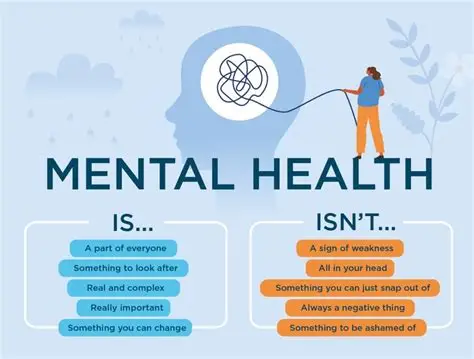
Engaging in regular physical activity supports both the body and mind. Scientific research consistently shows that exercise can improve emotional resilience, cognitive function, and overall quality of life.
Let’s explore how.
1. Exercise Helps Reduce Stress
Physical activity is one of the most effective natural stress relievers.
When you exercise—especially at moderate to high intensity—your body reduces stress hormones like cortisol while releasing endorphins, the “feel-good” chemicals in the brain.
As a result, you may:
- Feel calmer and more relaxed
- Respond better to daily stressors
- Experience improved emotional balance
Even a short workout can make a noticeable difference.
2. Boosts Self-Confidence and Self-Esteem
Regular exercise doesn’t just change your body—it changes how you feel about yourself.
Studies show that physical activity can:
- Improve body image
- Increase self-esteem
- Promote a sense of accomplishment
As you become stronger and more consistent, your confidence naturally grows.
3. Enhances Mood and Emotional Well-Being
You don’t need intense workouts to feel better—just 10 minutes of movement a day can elevate your mood.
Exercise stimulates the release of neurotransmitters like serotonin and dopamine, which are directly linked to happiness and emotional stability.
This leads to:
- Reduced feelings of sadness
- Increased positivity
- Greater emotional resilience
4. Improves Sleep Quality
Struggling with sleep? Exercise may help.
Research suggests that regular physical activity can:
- Improve overall sleep quality
- Reduce insomnia symptoms
- Decrease daytime fatigue
- Help you fall asleep faster
Better sleep directly supports better mental health.
5. Sharpens Memory and Cognitive Function
Exercise doesn’t just benefit your emotions—it also strengthens your brain.
Regular movement has been linked to:
- Improved memory and focus
- Better attention span
- Enhanced mental clarity
- Reduced risk of cognitive decline (especially after age 50)
This is partly due to increased levels of brain-derived neurotrophic factor (BDNF), a protein that supports brain growth and function.
Exercise and Mental Health Conditions
Depression
Exercise is a powerful complementary tool in managing depression.
It can help:
- Reduce negative thoughts
- Increase life satisfaction
- Improve self-worth
Activities like walking, jogging, strength training, and yoga have all shown positive effects.
ADHD (Attention Deficit Hyperactivity Disorder)
For individuals with ADHD, exercise can:
- Improve focus and attention
- Support executive function
- Regulate dopamine levels
Combining aerobic and strength training often provides the best results.
Anxiety
Exercise can help ease symptoms of anxiety by:
- Lowering stress hormone levels
- Promoting relaxation
- Improving emotional control
While not a replacement for treatment, it’s a valuable addition.
Bipolar Disorder
When combined with proper treatment, exercise may:
- Reduce depressive episodes
- Improve daily functioning
- Help manage medication-related weight gain
It also supports heart health, which is especially important for individuals with this condition.
OCD (Obsessive-Compulsive Disorder)
Aerobic exercise may help:
- Reduce compulsive behaviors
- Lower anxiety levels
Though more research is needed, current findings are promising.
PTSD (Post-Traumatic Stress Disorder)
Exercise is increasingly used as a complementary therapy for PTSD.
It may help by:
- Regulating stress hormones
- Enhancing brain adaptability (neuroplasticity)
- Improving emotional processing
Tips to Build a Consistent Exercise Routine

Staying consistent is key to experiencing mental health benefits. Here are practical tips to help you build a sustainable routine:
1. Choose the Right Time
Find a time that fits your lifestyle—morning, afternoon, or evening—and stick to it.
2. Set Realistic Goals
Start small and achievable. Celebrate progress, not perfection.
3. Do What You Enjoy
Whether it’s dancing, walking, or gym workouts—choose activities you genuinely like.
4. Stay Accountable
Exercise with a friend or join a group to stay motivated.
5. Consider Professional Guidance
A personal trainer can help you stay on track and maximize your results.
Final Thoughts
Exercise is more than just a physical activity—it’s a powerful tool for mental wellness.
From reducing stress and anxiety to improving mood, sleep, and cognitive function, regular movement can significantly enhance your quality of life.
The key is consistency. Start small, stay committed, and choose activities you enjoy. Over time, these small steps can lead to lasting mental and emotional transformation.