The Power of Tiny Habits: How Small Changes Create Big Life Transformations

The Power of Tiny Habits: How Small Changes Create Big Life Transformations
In a world that moves faster than ever, self-improvement can feel overwhelming. Many people set ambitious goals only to burn out or lose motivation along the way. The truth is, big changes often fail because they demand too much, too soon.
That’s where Tiny Habits come in.
This powerful approach proves that small, consistent actions can lead to remarkable, long-term transformation. Instead of relying on willpower or motivation, Tiny Habits use behavioral science to make personal growth simple, realistic, and sustainable.
In this guide, you’ll discover what Tiny Habits are, how they work, and how to apply them to improve your health, productivity, mindset, and relationships—one small step at a time.
What Are Tiny Habits?
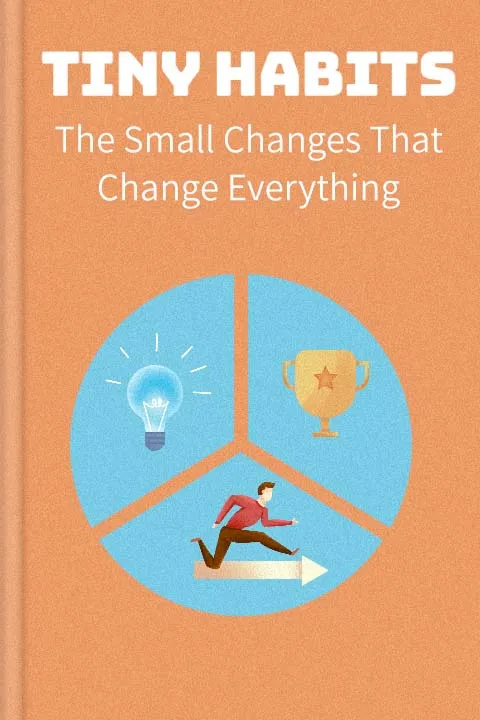
Tiny Habits are simple, easy-to-do behaviors that require minimal time and effort but create meaningful change when practiced consistently.
Rather than chasing massive results overnight, this method focuses on:
- Consistency over intensity
- Progress over perfection
- Identity-based growth
By starting small, you eliminate resistance and build momentum naturally.
How Habits Really Work
Every habit follows a predictable pattern known as the habit loop:
- Cue – the trigger that starts the behavior
- Routine – the action you take
- Reward – the positive feeling that reinforces it
Example:
- Cue: Phone notification
- Routine: Checking your phone
- Reward: Feeling informed or connected
Your brain is wired for efficiency. Through a process called neuroplasticity, repeated behaviors become automatic over time. This means habits—good or bad—are formed through repetition.
The good news? You can redesign your habits by adjusting your cues, routines, and rewards.
The Tiny Habits Method Explained
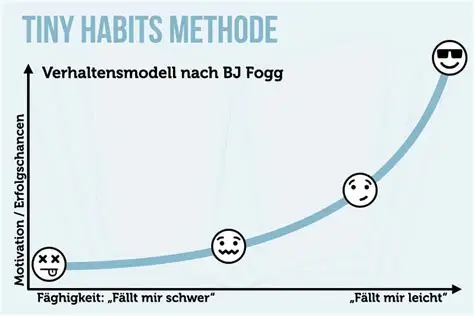
Developed by behavior scientist BJ Fogg, the Tiny Habits Method simplifies behavior change into three key principles:
1. Make It Tiny
Start with a behavior so small it feels effortless.
2. Anchor It to an Existing Habit
Attach the new habit to something you already do daily.
3. Celebrate Immediately
Reinforce the habit with a positive emotion right after completing it.
Example:
Instead of saying, “I will exercise every day,” try:
“After I brush my teeth, I will do one stretch.”
That’s it—simple, achievable, and effective.
How to Build Tiny Habits Step by Step
1. Choose One Specific Behavior
Focus on a habit that aligns with your goals—whether it’s health, productivity, or personal growth.
2. Make It Smaller Than You Think
Shrink the habit until it feels almost too easy:
- One push-up
- One deep breath
- One sentence written
3. Anchor It to a Routine
Pair your new habit with an existing action:
- After brushing your teeth
- After making coffee
- After opening your laptop
This technique is often called habit stacking.
4. Celebrate Immediately
A quick “Yes!”, a smile, or even a mental high-five reinforces the behavior neurologically.
5. Adjust as Needed
If the habit feels difficult, make it smaller—not harder.
Real-Life Examples of Tiny Habits
- Fitness: Sarah began with just 2 minutes of stretching each morning. Over time, it naturally evolved into a consistent workout routine.
- Productivity: John, a busy professional, started with 10 minutes of focused work daily. His efficiency and confidence improved steadily.
- Mindset: Oprah Winfrey has shared how she built a gratitude habit by writing down just one thing she was thankful for each day.
Small steps truly lead to big results.
Common Challenges (And How to Overcome Them)
Feeling Resistance
Make the habit smaller. The easier it is, the more likely you’ll stick with it.
Missing a Day
Missing once is normal. What matters is getting back on track immediately.
Lack of Motivation
Tiny Habits don’t depend on motivation—they rely on smart design.
Impatience
Results take time. Habits grow quietly before they show visible impact.
Practical Tiny Habits You Can Start Today
Health & Fitness
- Drink one sip of water after waking up
- Stretch for 30 seconds before bed
Productivity
- Set a 5-minute focus timer
- Clear one item from your desk
Personal Growth
- Read one page
- Write one sentence
- Take one mindful breath
Relationships
- Send one kind message
- Express one appreciation daily
Helpful Tools & Resources
To stay consistent and track progress, consider using:
- Habit tracking apps like HabitBull, Streaks, or Habitica
- Books like Tiny Habits by BJ Fogg
- Online communities for accountability and support
Why Tiny Habits Work
Tiny Habits are effective because they:
- Eliminate overwhelm
- Reduce friction
- Build identity-based change
- Create consistency without burnout
They shift your focus from doing more to doing better.
Final Thoughts
Lasting change doesn’t require massive effort—it requires smart, sustainable action.
By starting small, celebrating progress, and integrating habits into your daily routine, you can transform nearly every area of your life without stress or burnout.
Start today. Start small. And let tiny habits lead to powerful life changes over time.