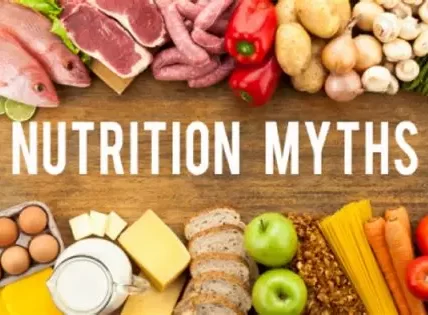


Nutrition and Weight Management: What’s the Connection?
Maintaining a healthy weight isn’t just about counting calories—it’s about understanding how nutrition fuels your body and influences long-term health. With rising global obesity rates, building a balanced diet has never been more important. In this guide, we’ll explore how nutrition directly impacts weight management and how you can make smarter dietary choices for a healthier life.
Table of Contents
- The Prevalence of Obesity
- Understanding the Link Between Nutrition and Weight Management
- The Role of Carbohydrates
- The Role of Protein
- The Role of Healthy Fats
- The Importance of Micronutrients
- When to Consult a Healthcare Provider
- Key Takeaways
The Prevalence of Obesity
Obesity has become a major public health concern worldwide. In the United States alone, the obesity rate reached 41.9% between 2017 and 2020, highlighting how widespread the issue has become.
Weight gain typically results from a calorie imbalance, where energy intake exceeds energy expenditure—often due to overeating or a sedentary lifestyle. Over time, this leads to excess fat accumulation and increased health risks.
Healthcare professionals commonly use Body Mass Index (BMI) to assess weight status:
- BMI over 25: Overweight
- BMI over 30: Obese
Excess weight significantly increases the risk of chronic conditions such as:
- Heart disease
- Type 2 diabetes
- High blood pressure
- High cholesterol
Understanding how nutrition affects weight is the first step toward preventing these health issues.
Understanding the Link Between Nutrition and Weight Management
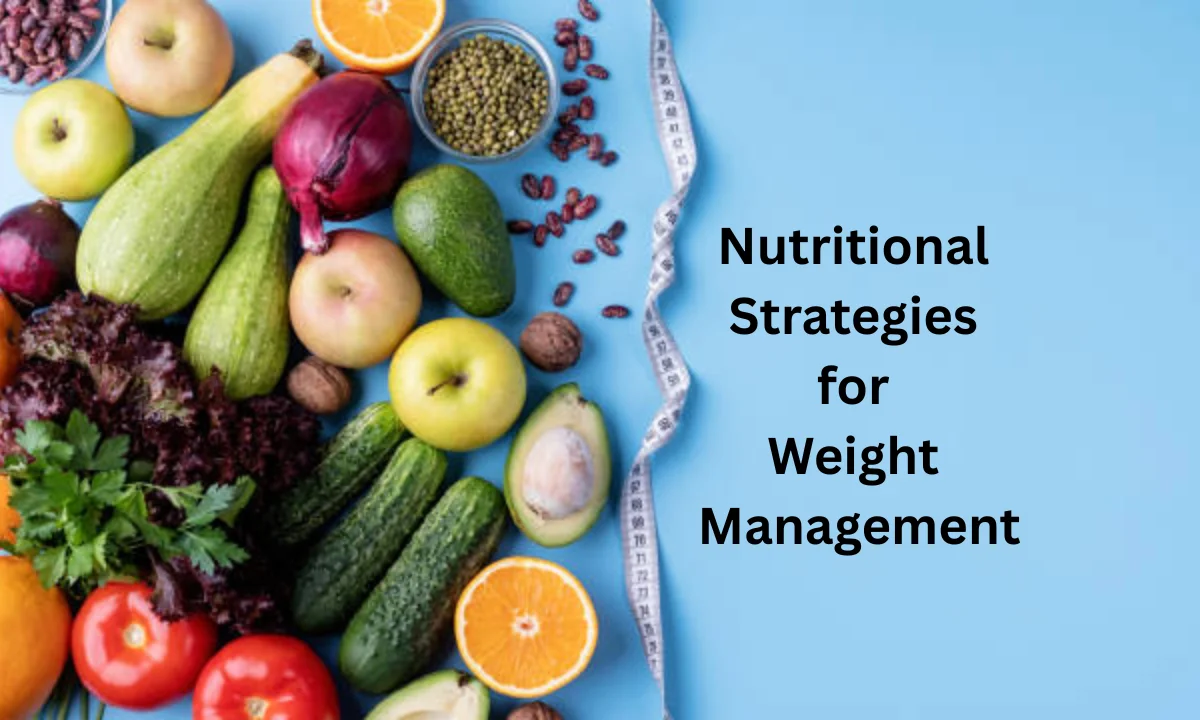
Your body relies on a combination of nutrients to function properly. These nutrients fall into two main categories:
1. Macronutrients
- Carbohydrates
- Proteins
- Fats
These are required in large amounts and provide energy for daily activities.
2. Micronutrients
- Vitamins
- Minerals
These are needed in smaller quantities but are essential for overall health and metabolic processes.
A balanced diet that includes both macronutrients and micronutrients is key to maintaining a healthy weight and supporting bodily functions.
The Role of Carbohydrates in Weight Management
Carbohydrates often get a bad reputation in weight loss discussions, but they are actually your body’s primary energy source.
Why Carbs Matter:
- Provide fuel by converting into glucose
- Help regulate energy levels
- Support digestive health when rich in fiber
Healthy Sources of Carbohydrates:
- Fruits and vegetables
- Whole grains
- Legumes and beans
- Nuts and seeds
Fiber-rich carbohydrates help you feel full longer, reducing the likelihood of overeating. Eliminating carbs completely can lead to negative effects such as digestive issues, fatigue, and even weight gain over time.
The Role of Protein in Weight Management
Protein plays a crucial role in building and maintaining lean muscle mass, which in turn helps your body burn more calories.
Benefits of Protein:
- Promotes satiety (feeling full longer)
- Supports fat loss while preserving muscle
- Helps control appetite
Healthy Protein Sources:
- Lean meats and poultry
- Eggs
- Fish
- Plant-based options like lentils, beans, quinoa, and soy
However, moderation is key—excessive protein intake can strain the body and lead to metabolic imbalances.
The Role of Healthy Fats in Weight Management
Not all fats are harmful. In fact, healthy fats are essential for optimal body function.
Why Healthy Fats Are Important:
- Support brain and heart health
- Help absorb fat-soluble vitamins
- Provide long-lasting energy
Healthy Fat Sources:
- Avocados
- Olive oil
- Nuts and seeds
- Fatty fish (rich in omega-3 fatty acids)
Avoid excessive intake of trans fats and saturated fats, as they are linked to weight gain and increased cardiovascular risk.
The Importance of Micronutrients
Micronutrients may be needed in small amounts, but their impact on health is significant.
Essential Micronutrients Include:
- Iron
- Vitamin A
- Vitamin D
- Iodine
- Folate
- Zinc
Why They Matter:
- Support immune function
- Aid metabolism
- Promote growth and development
Micronutrient deficiencies can lead to serious health problems, including weakened immunity and metabolic disorders. Interestingly, individuals with obesity are often at a higher risk of these deficiencies due to poor dietary quality.
When to Consult a Healthcare Provider
Before starting any weight management plan, it’s wise to consult a healthcare professional. A personalized approach ensures that your diet and lifestyle changes are safe, effective, and tailored to your individual needs.
A qualified provider can help you:
- Set realistic weight goals
- Identify nutritional gaps
- Create a sustainable diet plan
- Monitor your overall health
Key Takeaways
- Nutrition and weight management are deeply interconnected.
- A balanced diet includes carbohydrates, proteins, fats, and micronutrients.
- Carbs provide energy, protein supports muscle and satiety, and healthy fats promote overall health.
- Micronutrients are essential for metabolism and disease prevention.
- Sustainable weight management requires a holistic approach—not extreme dieting.