

Investing is one of the most powerful ways to build long-term wealth—but for many people, it still feels out of reach. A common misconception is that you need thousands of dollars to get started. The truth? You can begin investing with just a few dollars.
Thanks to modern financial technology and micro-investing platforms, building wealth is now more accessible than ever. Even small, consistent contributions can grow into significant returns over time.
In this guide, you’ll learn how small investments work, why they matter, and how you can start today.
What Are Small Investments?
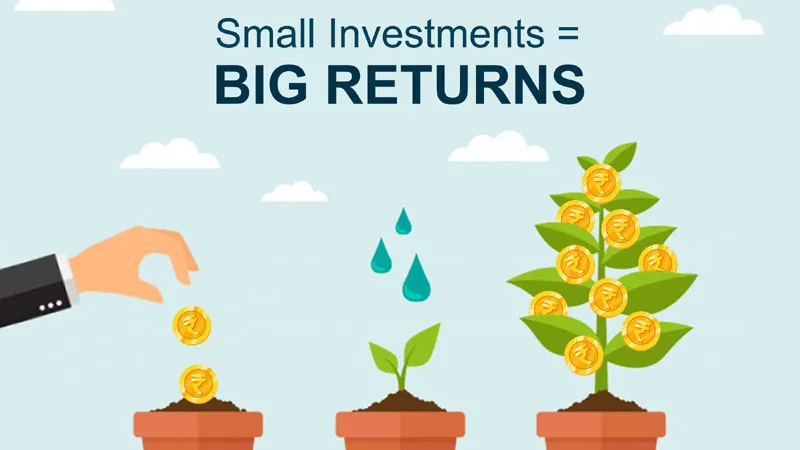
Small investments are based on a concept known as micro-investing. This approach allows individuals to invest small amounts of money regularly, removing traditional barriers like high minimum deposits and expensive brokerage fees.
Micro-investing platforms make it easy to:
- Invest spare change from everyday purchases
- Set up automatic contributions
- Build a diversified portfolio with minimal effort
Instead of waiting until you have a large sum of money, micro-investing encourages you to start now—no matter how small your budget is.
Why Micro-Investing Is Growing in Popularity
Micro-investing has gained massive traction in recent years—and for good reason:
- Accessibility: Anyone can start investing with just $1
- Automation: Set recurring deposits and grow wealth passively
- Low barriers: No need for large upfront capital
- Diversification: Investments are often spread across ETFs (exchange-traded funds)
This approach has made investing more inclusive, especially for younger generations looking to build financial security early.
How Much Money Do You Need to Start?
One of the biggest advantages of micro-investing is the low entry requirement. Many platforms allow you to start with as little as:
- $1 initial investment
- $5 per week
- $10–$25 per month
Some apps even round up your daily purchases and invest the spare change automatically.
The key isn’t how much you invest—it’s how consistently you invest.
The Power of Compound Growth
When it comes to investing, time is your greatest asset. Small contributions can grow significantly thanks to compound returns—where your earnings generate even more earnings over time.
Here’s a simple illustration:
- Investing $3,000 could grow modestly within a year
- Investing consistently over 10–15 years can potentially double your money
- Long-term investing (20–30 years) can multiply your portfolio several times
While returns are never guaranteed, consistent investing combined with patience can lead to impressive results.
What Can You Use Small Investment Accounts For?
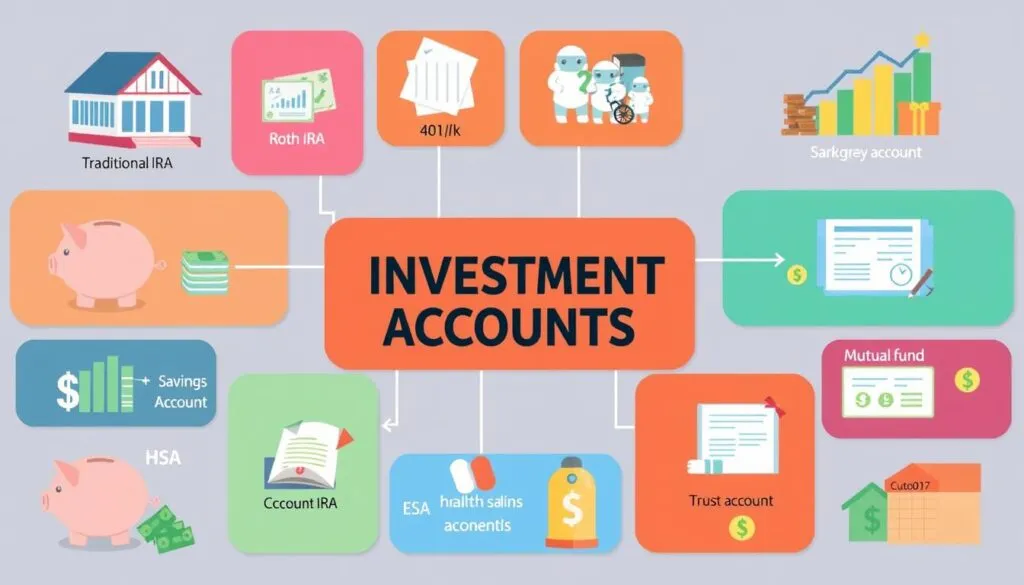
Micro-investing isn’t just for beginners—it’s a flexible tool that supports multiple financial goals:
1. Building Long-Term Wealth
The most common use is growing your net worth over time. By staying invested through market ups and downs, you can benefit from long-term market growth.
2. Saving for Major Purchases
Planning to buy a house, car, or start a business? Investing can help grow your savings faster than a traditional savings account.
3. Maximizing Returns
If you’re comfortable with risk, you can allocate more funds to stock-based ETFs for higher potential returns, while balancing with bonds for stability.
Key Benefits of Micro-Investing
Here’s why small investments can make a big difference:
- Flexibility: Invest any amount, anytime
- Liquidity: Easier access to funds compared to some retirement accounts
- Automation: Set it and forget it with auto-invest features
- Customization: Portfolios tailored to your risk tolerance
These features make micro-investing an ideal starting point for beginners and a convenient strategy for experienced investors.
Is Micro-Investing Worth It?
Absolutely. Micro-investing is more than just a trend—it’s a smart financial strategy that empowers individuals to take control of their money.
Instead of delaying investing due to limited funds, you can start small and grow steadily. Over time, these small steps can lead to meaningful financial progress.
Final Thoughts: Start Small, Think Big
In the past, investing was often seen as something only the wealthy could do. Today, that’s no longer the case.
You can start with:
- $1 today
- A few dollars per week
- Or any amount that fits your budget
The most important step is simply getting started.
Because when it comes to investing, time in the market matters more than timing the market.
Frequently Asked Questions (FAQ)
Can small investments really make money?
Yes. With consistent contributions and compound growth, small investments can generate meaningful returns over time.
Is micro-investing safe?
All investments carry risk, but diversified portfolios (like ETFs) help reduce that risk compared to individual stocks.
How often should I invest?
Consistency is key. Weekly or monthly contributions are ideal for long-term growth.
Disclaimer
Investment returns are not guaranteed and may fluctuate. Always consider your financial goals and risk tolerance before investing.