
Healthy Eating Explained: A Simple Beginner’s Guide to Better Nutrition
Table of Contents
- Introduction
- What Healthy Eating Really Means
- The Core Pillars of a Healthy Diet
- How to Build a Balanced Plate
- What a Typical Day of Healthy Eating Looks Like
- Adapting Healthy Eating to Your Lifestyle
- The Benefits of Healthy Eating
- Common Myths About Healthy Eating
- Practical Tips for Beginners
- Conclusion
- FAQs
Introduction
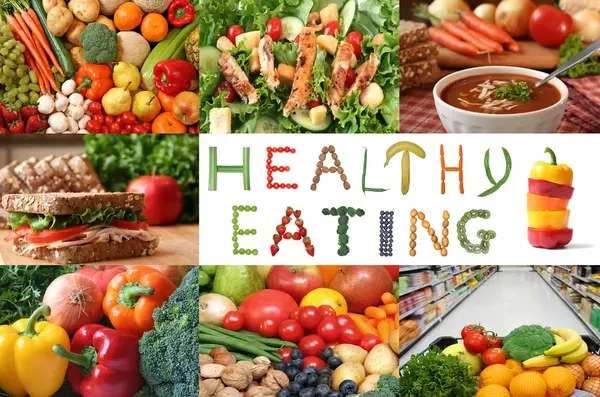
Healthy eating is one of the most powerful ways to improve your overall well-being, boost energy levels, and support long-term health. Yet for many beginners, it can feel confusing—filled with conflicting advice, diet trends, and overwhelming information.
The truth is, healthy eating doesn’t have to be complicated. At its core, it’s about choosing foods that nourish your body, fuel your daily activities, and reduce the risk of chronic diseases.
This beginner-friendly guide will simplify the essentials of healthy eating, helping you understand what to eat, what to limit, and how to build sustainable habits that fit your lifestyle.
What Healthy Eating Really Means
Healthy eating is not about strict rules or temporary diets. It’s a long-term approach to nourishing your body with the right balance of nutrients.
A healthy diet should:
- Provide essential nutrients like vitamins, minerals, protein, fiber, and healthy fats
- Include a variety of food groups
- Focus on whole, minimally processed foods
- Limit added sugars, excess salt, and unhealthy fats
- Support stable energy levels and metabolic health
Rather than striving for perfection, healthy eating is about making consistent, informed choices over time.
The Core Pillars of a Healthy Diet

1. Prioritize Whole and Nutrient-Dense Foods
Whole foods in their natural form offer the highest nutritional value. These include:
- Fruits and vegetables rich in fiber and antioxidants
- Whole grains like oats, brown rice, and quinoa
- Lean proteins such as fish, poultry, eggs, beans, and tofu
- Healthy fats from nuts, seeds, olive oil, and avocados
These foods help support immunity, improve digestion, and provide long-lasting energy.
2. Embrace Variety and Balance No single food contains everything your body needs. A balanced diet includes:
- A wide range of colorful fruits and vegetables
- Different protein sources (plant-based and animal-based)
- A mix of carbohydrates, fats, and proteins
Balance also means enjoying occasional treats without guilt while maintaining a healthy overall pattern.
3. Limit Foods That Undermine Health
Certain foods should be consumed in moderation, including:
- Sugary drinks, sweets, and desserts
- Highly processed snacks
- Foods high in saturated and trans fats
- Items with excessive salt or artificial additives
Reducing these foods can significantly improve your long-term health.
How to Build a Balanced Plate
A simple way to create healthy meals is by dividing your plate:
- ½ plate: Vegetables and fruits
- ¼ plate: Whole grains (brown rice, whole wheat, quinoa)
- ¼ plate: Lean protein (fish, chicken, tofu, legumes)
- Healthy fats: Small amounts like olive oil, nuts, or seeds
This method ensures a balanced intake of nutrients without the need for calorie counting.
What a Typical Day of Healthy Eating Looks Like
Here’s a simple example:
Breakfast
- Oatmeal with berries and almonds
- Yogurt or plant-based milk
Snack
- Fresh fruit or vegetable sticks
Lunch
- Grilled chicken or tofu
- Brown rice or whole-grain bread
- Mixed vegetables or salad
Snack
- Yogurt with fruit or a handful of nuts
Dinner
- Quinoa or whole-grain pasta
- Vegetables
- Lean protein such as fish or legumes
Hydration
- Drink plenty of water and limit sugary beverages
Adapting Healthy Eating to Your Lifestyle
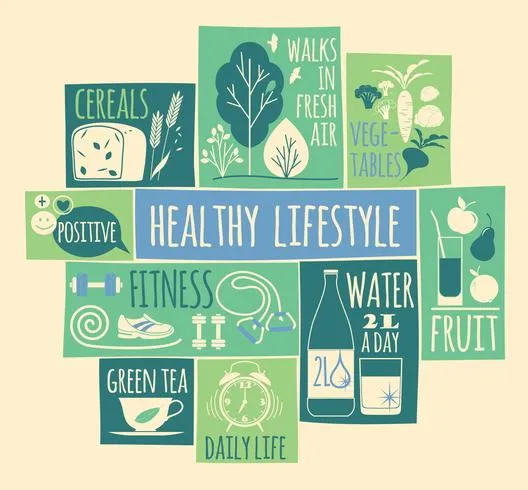
Healthy eating is flexible and can fit any culture or routine. You don’t need expensive or exotic ingredients.
You can make everyday meals healthier by:
- Choosing whole grains instead of refined grains
- Adding more vegetables to dishes
- Reducing salt, sugar, and oil
- Selecting lean protein sources
Whether you follow a vegetarian, vegan, or traditional diet, the key principles remain the same: balance, variety, and moderation.
The Benefits of Healthy Eating
1. Disease Prevention
A balanced diet can reduce the risk of heart disease, type 2 diabetes, and certain cancers.
2. Better Energy and Mental Health
Stable blood sugar levels improve focus, mood, and overall productivity.
3. Stronger Immune System
Nutrient-rich foods help your body fight infections and recover faster.
4. Sustainable Weight Management
Healthy eating supports long-term weight control without extreme dieting.
Common Myths About Healthy Eating
“Carbohydrates are bad”
Carbs are your body’s main energy source. Focus on whole carbs instead of refined ones.
“Fat should be avoided”
Healthy fats are essential for brain function and hormone balance.
“All ‘healthy’ processed foods are good”
Labels can be misleading—always check ingredients.
“Healthy eating is expensive”
Affordable staples like rice, beans, eggs, and seasonal produce are highly nutritious.
Practical Tips for Beginners
- Start with small, manageable changes
- Add more fruits and vegetables to your meals
- Choose whole grains over refined options
- Drink more water
- Cook at home more often
- Plan meals ahead of time
- Keep healthy snacks available
- Be consistent rather than perfect
Conclusion
Healthy eating isn’t about restriction—it’s about building a sustainable and positive relationship with food. By focusing on whole, nutrient-dense foods, balancing food groups, and limiting processed items, you create a strong foundation for long-term health.
Remember, small changes lead to big results over time. You don’t need to be perfect—just consistent. Every healthy choice you make brings you one step closer to a more energized, balanced, and vibrant life.