


60 Smart Life Hacks to Save Money Every Day
Saving money doesn’t usually come from a single dramatic change. Instead, it often comes from small, everyday decisions about groceries, bills, subscriptions, transportation, and habits at home.
The best money-saving life hacks are simple, repeatable changes you can actually stick with. Start with a few practical wins and gradually build your savings as they add up over time.
Practical Ways to Save Money Without Upending Your Life
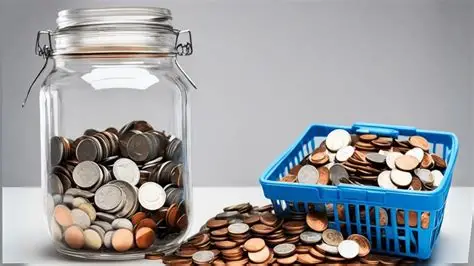
You don’t need to overhaul your lifestyle to free up extra cash. Most households can make meaningful progress by focusing on a few categories that quietly drain the budget each month: groceries, subscriptions, utility usage, and transportation.
Pick one area, implement two or three smart changes, and build from there. Here’s a complete guide with actionable tips across key areas of daily life.
Smart Grocery & Kitchen Hacks
Groceries are one of the easiest places to start saving, as the results appear quickly without sacrificing enjoyment.
- Check your kitchen first: Plan meals around ingredients you already have to reduce waste.
- Use a meal-based shopping list: Avoid buying on impulse by creating a list from your weekly plan.
- Compare unit prices: Bigger isn’t always cheaper.
- Choose store brands: Staples like oats, rice, pasta, and spices often cost less without compromising quality.
- Use digital coupons wisely: Only apply them to items you were already planning to buy.
- Cook in bulk: Double recipes for soups, casseroles, or roasted vegetables and freeze leftovers.
- Freeze perishables: Bread, meat, cheese, and chopped produce last longer and reduce waste.
- Organize a “use first” shelf: Prevent food from being forgotten and thrown away.
- Bring snacks and drinks on the go: Avoid expensive convenience purchases.
- Limit extra grocery trips: Fewer stops mean fewer unplanned purchases.
Energy & Utility Savings
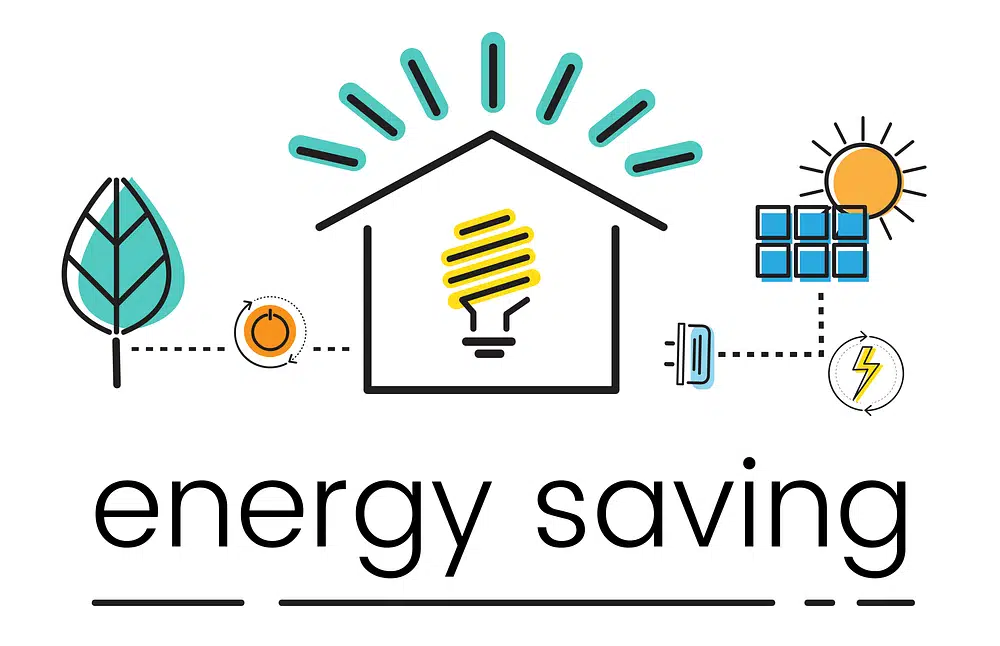
Cutting utility costs comes from steady habits rather than one-time fixes.
- Wash laundry in cold water whenever possible.
- Run full loads in dishwashers and washing machines.
- Air-dry clothes and towels when practical.
- Replace old bulbs with LEDs as they burn out.
- Use a programmable thermostat or simple routines for sleep and away hours.
- Seal drafts around doors and windows.
- Turn off lights and fans when not in use.
- Shorten long showers and repair leaking faucets.
Frugal Living at Home
Small habits can add up to big savings over time:
- Wait 24 hours before buying nonessential items.
- Repair before replacing when feasible.
- Borrow or rent rarely used tools and equipment.
- Buy secondhand for furniture, kitchenware, and kids’ items.
- Maintain a small gift supply to avoid last-minute spending.
- Simplify cleaning routines to reduce unnecessary products.
- Carry refillable water bottles and reusable bags.
- Establish one no-spend day each week to reset habits.
Transportation & Travel Hacks
Routine adjustments in travel and commuting can save both time and money:
- Combine errands into a single trip.
- Keep tires properly inflated for better fuel efficiency.
- Maintain your vehicle with oil changes and filter replacements.
- Use gas rewards, loyalty programs, or price comparison apps.
- Drive smoothly to reduce fuel consumption.
- Carpool when practical.
- Review auto insurance annually.
- Plan travel with flexible dates to avoid peak pricing.
Entertainment & Lifestyle Hacks
A budget doesn’t mean cutting out fun—it means spending intentionally:
- Limit streaming services to what you actually use.
- Use the library for books, movies, and digital resources.
- Turn dining out into planned treats rather than default habits.
- Explore free or low-cost local events.
- Set a simple weekend spending limit.
- Unsubscribe from retail emails and texts to avoid impulse buys.
- Allocate a set amount for hobbies and leisure.
- Suggest low-cost social plans like potlucks, walks, or game nights.
Tech & Subscription Hacks
Small recurring charges often go unnoticed:
- Review subscriptions monthly.
- Turn off auto-renew for unused services.
- Try free app versions before paying for upgrades.
- Check your phone and internet plans for unnecessary features.
- Remove saved payment methods to slow impulse buying.
- Pause before same-day online purchases.
Budgeting & Planning Hacks
A clear plan makes saving simpler:
- Include irregular expenses like car repairs or annual fees in your budget.
- Automate savings after payday.
- Keep a modest checking buffer for unexpected costs.
- Track one spending category first if overwhelmed.
- Decide priorities before the month begins.
Use a budget tool to map income, expenses, and priorities clearly. Some habits work best when you can see them numerically.
5 Bonus Hacks That Add Up Over Time
- Negotiate one bill annually (internet, insurance, or service).
- Sell unused items and direct proceeds to savings.
- Maintain a “not now” list for non-urgent purchases.
- Keep low-cost fallback meals and free activities for tight weeks.
- Review progress monthly to reinforce good habits.
Frequently Asked Questions
Q: What’s the fastest way to start saving money?
A: Groceries, subscriptions, and convenience spending are often the quickest areas to target.
Q: Do small changes really make a difference?
A: Yes—small, consistent adjustments often outperform short bursts of extreme frugality.
Q: Where should I start if overwhelmed?
A: Begin small. Pick one category, reduce one or two costs, and plan the next week’s spending.
Q: Should I save or pay off debt first?
A: Many benefit from doing both—maintaining a small emergency fund while tackling high-interest debt.
Q: Do I need a full budget?
A: Not necessarily. Even a basic understanding of your spending can make these tips effective.
Your Next Move
Saving money works best when it feels practical, not punishing. The goal is to make deliberate choices with the dollars you already earn.
Pick three ideas from this list, try them for the next two weeks, and build from there. For extra support, explore budgeting tools or guides to create a plan that fits real life.